

If you are considering residential treatment for yourself or a loved one, a common question you may have is, “What will daily life look like?” Each day in residential treatment at Newport is designed to foster connection and promote long-term sustainable healing.
In this article, we explore a typical day in residential treatment at Newport Academy our program serving children ages 7–11 and adolescents ages 12-18, and Newport Institute, our young adult program for ages 18–35.
What Is Residential Treatment?
Residential treatment is a live-in level of care for individuals who are navigating mental health conditions such as depression, anxiety, trauma, eating disorders, and co-occurring substance use disorders. Residential settings provide a quiet place to heal, away from the stress or triggers of everyday life.
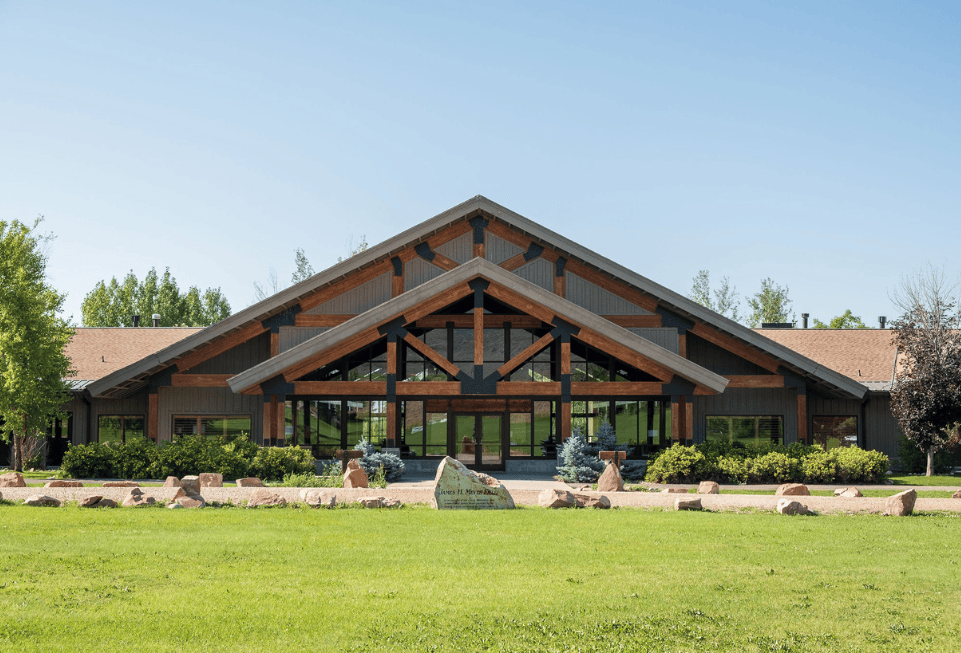
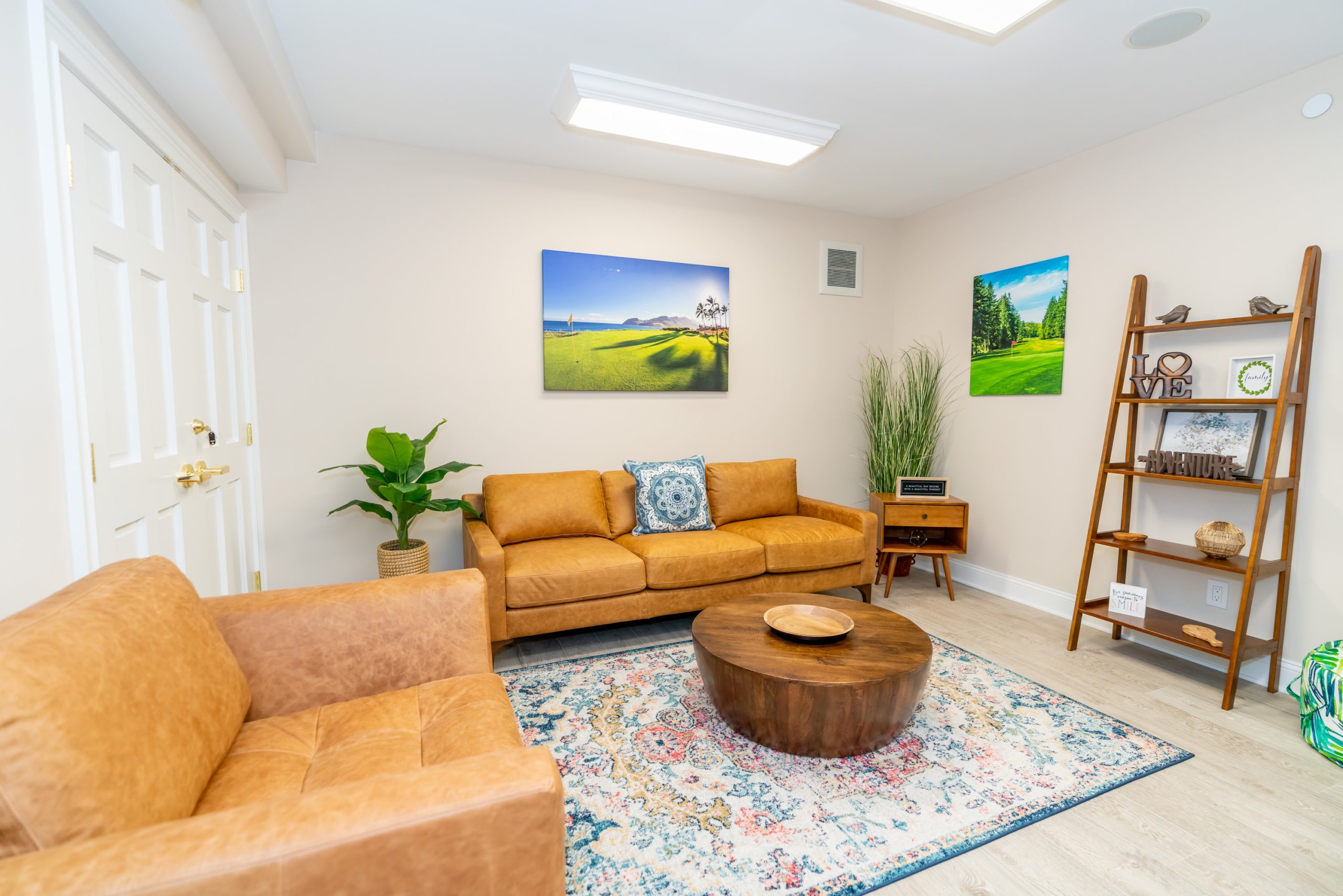
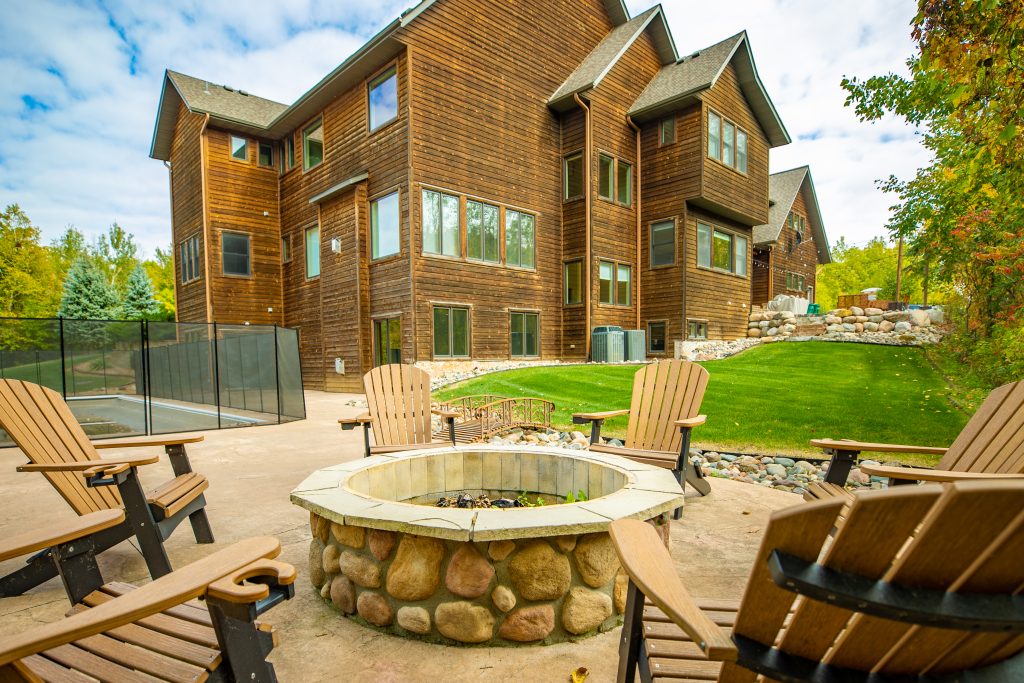
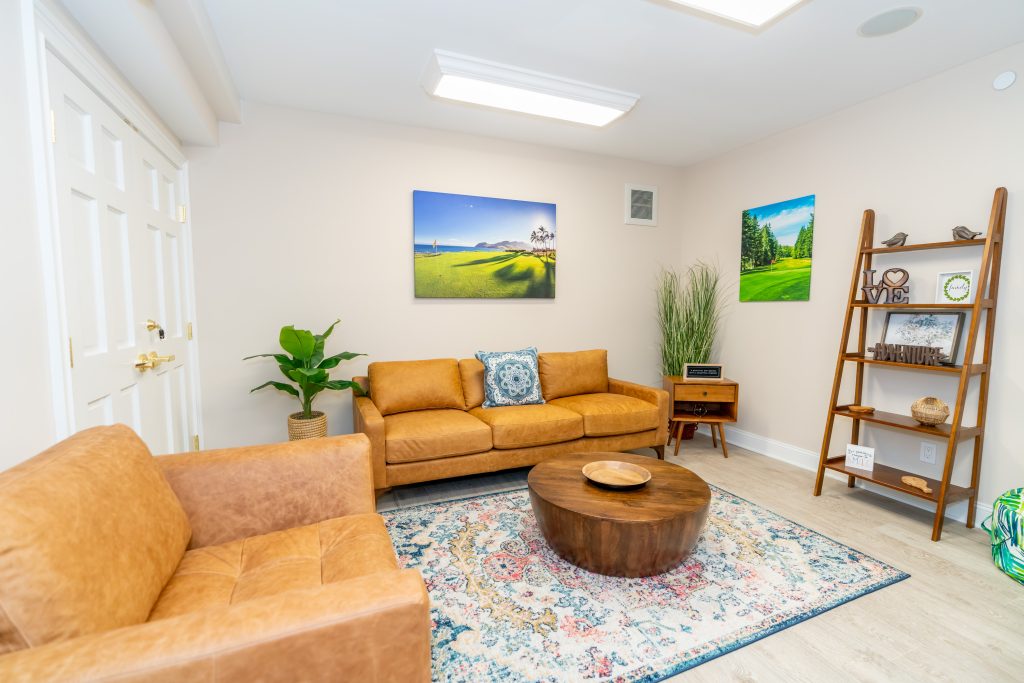
Our residential facilities are safe, comfortable, home-like environments where young people receive 24/7 care from a multidisciplinary staff. Newport blends clinical care, academics, connection, and rest into a structured yet compassionate schedule.
Newport Healthcare has teen and young adult residential locations in California, Connecticut, Minnesota, Virginia, and Washington State. We also offer teen residential programming in Utah.







What to Expect from Residential Treatment at Newport
At Newport, we treat the whole person, not just the symptoms. Our comprehensive treatment model creates lasting results for adolescents and young adults. Here is what you can expect for you or a loved one in our care:
Comprehensive Approach
Our treatment addresses your loved one’s physical, social, emotional, and educational needs, from a foundation of compassionate care, clinical expertise, and unconditional love.
Multidisciplinary Team of Experts
Young people in our program receive 24/7 care from a multidisciplinary team that includes medical doctors, registered nurses, therapists, registered dieticians, teachers, behavioral health specialists, residential staff, and more.
Individualized Treatment Plans
Our expert care team works with each family to develop a treatment plan that meets the unique needs of each patient.
Residential Schedule at Newport
Mornings: Prepare for the Day
Consistency builds healthy habits and a sense of autonomy, therefore our residential schedule is structured to support these principles. Beginning at 7 a.m., residents wake, shower, tidy their room, and join other residents for a communal breakfast. Mornings could include a mindfulness practice before the day’s programming begins to help set intentions and prepare for the day ahead.
Academic and Life Skills Programming
A major concern you may have as a parent regarding residential treatment is how it will impact your child’s education. Set those fears aside. At Newport Academy, our teen program, kids have dedicated classroom time Monday–Friday to keep up with schoolwork. Certified teachers use an accredited academic curriculum and maintain communication with each child’s school of origin.
Young adults in our Newport Institute program get support for whatever stage of their life they’re in, including help with college coursework, career planning, building executive functioning skills, and more.
Here are more specifics about each program:
Academic Program for Children and Teens
The relationship between school performance and mental health is bidirectional, each exacerbating the other, says Francine Le, Newport’s National Director of Education. Research shows that untreated mental health concerns contribute to approximately 50 percent of high school dropouts among affected teens—making academic support an essential part of treatment.
Newport’s certified teachers are vital members of each resident’s care teams, communicating regularly with therapists about challenges and progress in the classroom. Instructors work with students to develop daily and weekly goals and parents receive regular progress reports.

“Our goal as educators is to help kids repair their relationship with the school experience by rebuilding their academic identity and developing the self-esteem necessary to see themselves as capable and resilient learners,” Francine shared. “Without this shift, it is difficult for teens to build the internal motivation to fully engage in their learning as participants and contributors in a school community.”
Beyond academics, teens participate in life skills development groups throughout the week. These sessions cover practical topics that prepare them for independent living.
Life Skills and Career Development for Young Adults
In our Learning Lab, young adults learn skills for building autonomy and strong relationships, while strengthening executive functioning. We support young adults with their current needs, whether that’s completing college coursework, building a resume, or exploring their next career move. Our goal is to prepare young adults to step into their next chapter with confidence and resilience.
Afternoons: Clinical Programming
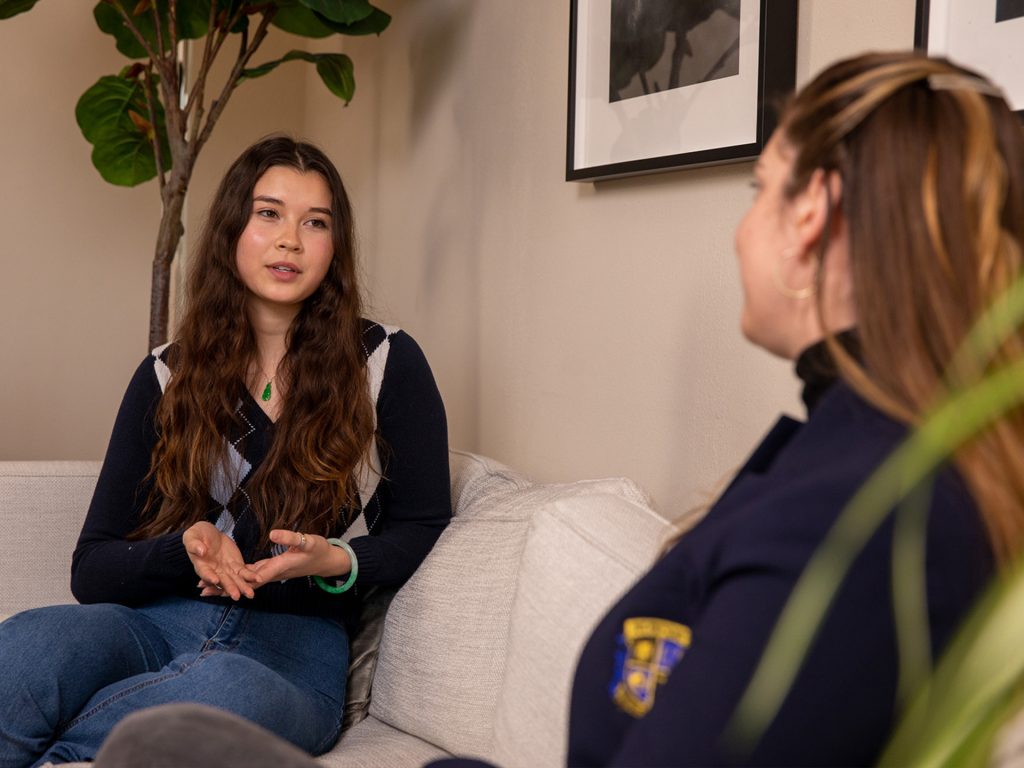
Clinical hours are the heart of residential treatment. They provide structured support and facilitate therapeutic interventions, such as individual and group therapy, which address underlying issues related to mental health or substance use disorders. During this time, teens and young adults learn valuable coping and emotional regulation skills, while developing trusting relationships with clinicians and peers in the program.
Leigh McInnis, LPC, Executive Director at Newport’s Virginia location, says it’s important for parents and young adult clients to understand that residential treatment is milieu based—structured group treatment that utilizes everyday activities in a supportive environment to enhance social interaction.
Leigh says there are several reasons that group therapies make up a large portion of programming. Clients need time to process what they’ve learned and worked on in individual therapy. Additionally, working in groups provides the opportunity for valuable connection and a built-in support system.
“We want clients to be in a space where they’re leaning on their supports, because when they leave residential treatment, their therapist isn’t going to be just a phone call away. Learning how to lean on the people around you is really important.”
Leigh McInnis, LPC, Executive Director
Here is a breakdown of each therapeutic intervention:
Individual Therapy
Our residents meet one-on-one with their primary therapist to address mental health and emotional challenges. These sessions use evidence-based therapies tailored to individual treatment goals, including:
- Cognitive Behavioral Therapy (CBT) for reframing negative thought patterns
- Dialectical Behavior Therapy-informed skills (DBT-informed skills) for emotion regulation and distress tolerance
- Eye Movement Desensitization and Reprocessing (EMDR) for trauma processing
- Trauma-informed care approaches for teens and young adults with PTSD
- And more
Group Therapy
Group therapy is a powerful therapeutic approach that promotes mental health through social connection, shared experiences, and skill development. In fact, research shows that DBT-informed group therapy can reduce anxiety symptoms by 25–40 percent in adolescents.
Led by licensed clinicians, group therapy fosters a supportive environment where young people can share openly with others who’ve experienced similar struggles. Here are some of the topics touched on in group therapy:
- Mood regulation and anxiety management
- Relapse prevention for substance use
- Body image groups and eating disorder–specific homework
- Social skills, healthy relationships, and conflict resolution
Family Therapy
Studies indicate that family involvement improves treatment outcomes by 30–50 percent, making it a cornerstone of effective residential treatment at Newport. Teens in our Newport Academy program take part in regular family therapy sessions with parents or caregivers and it is optional for young adults at Newport Institute.
Newport’s therapists are trained in Attachment-Based Family Therapy, an evidence-based approach for treating depression and preventing suicide in adolescents. ABFT aims to revitalize empathy and authentic connection within the parent-child relationship. Sessions address communication patterns, healthy boundaries, and aftercare planning.

We want the families to be actively engaged throughout the treatment process because we know that they are part of the medicine. If love was enough, no child would suffer. It’s not about love. It’s about the connection and the internal components of what is going on for the client and within their family system.
Samantha
Quigneaux
LMFT
National Director of Family Therapy Services
,
Newport Healthcare
Meals Served with Love
At Newport, our staff wraps every client experience in love and compassion—down to every last meal. Our culinary services team includes experienced chefs at each site who put their heart and soul into every meal.
Director of Culinary Services Ken McConnell, says that for his team, it’s more than just preparing food. “They are crafting experiences filled with love, connection, and healing.”
Ken says that chefs have full autonomy over their location’s menu, affording them the opportunity to try different recipes and incorporate local flavor. The team is happy to take special requests from residents and often demonstrate how certain recipes are prepared. The culinary teams are known to make residents’ birthdays or final days in treatment special with cakes or other specially prepared meals.




Chef Joe Lindsey shares that his team in Orange County is doing more than just serving meals. “We’re part of their healing too,” he said. “The kids know who I am. The whole thing for me is connection.”
Chef Susan Dery, who oversees the culinary department for adolescent programming in Connecticut, echos that sentiment. “I love the connections. I love the kids. I’m not here for me. I’m here for them. And I don’t feel like you can really get that feeling elsewhere.”
Experiential Therapies
Experiential therapies are designed specifically for youth and young adults, recognizing that healing happens through action and creativity—not just talking.
Our experiential program includes activities that tap into the natural beauty and surroundings of each location. For example, coastal sites may include surfing or beach yoga, while cold-weather sites may add cross-country skiing to their list of activities.
Our experiential modalities vary depending on location and include:
Adventure Therapy
Through outdoor activities like hiking, rock climbing, kayaking, paddleboarding, and a ropes course, young adults learn to confront their fears, build trust, and enhance problem-solving skills.
“With the compassion and support and leadership of the therapists who are facilitating these groups, we’re helping patients build versions of themselves that they didn’t think they were capable of building.”
Gary Fedoroff, National Director of Experiential Learning
Mixed Martial Arts (MMA)
MMA combines physical training with mental discipline. Clients learn self-defense techniques while also gaining confidence, focus, and resilience.
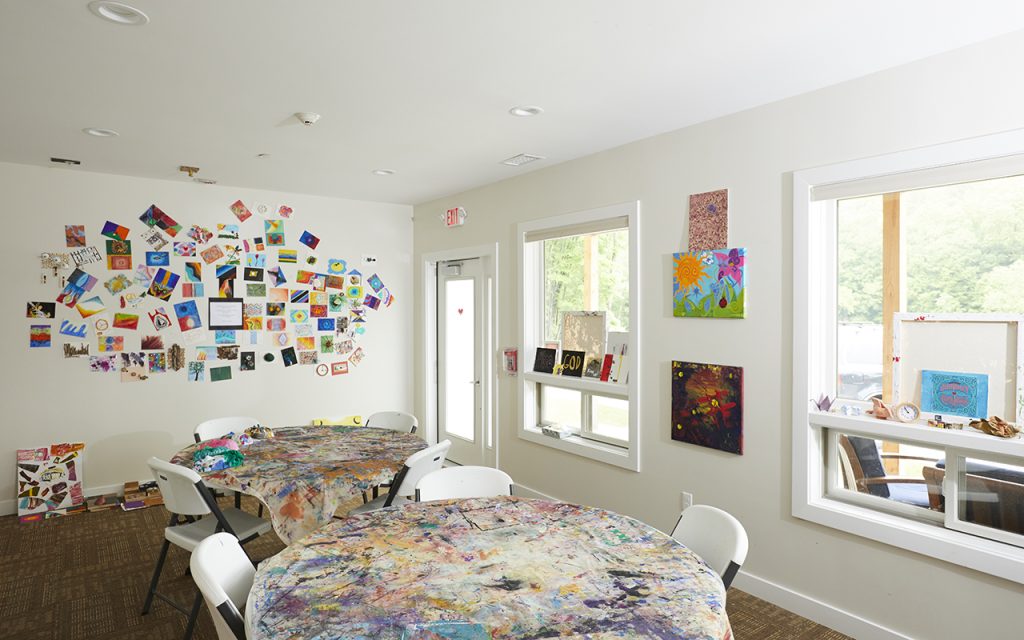
Art Therapy
Using various artistic mediums, such as painting, drawing, and crafting, we help clients explore their emotions, reduce anxiety, and gain insight into their thoughts and behaviors.
Music Therapy
Music is a powerful tool for emotional healing. Clients engage in listening, songwriting, and playing instruments, which can help them express feelings and connect with others.
Yoga & Meditation
Certified yoga instructors facilitate our therapeutic yoga program, which includes mindful movement, meditation, and breath work, in a supportive group setting.
Community Service
Engaging clients in volunteer work to foster a sense of purpose and connection. These activities build self-esteem and empathy while creating a sense of belonging.
Evenings: Quiet Connection
After a busy structured day, evenings are an opportunity to wind down, take part in some quiet activities, or connect with peers.
After dinner, this unstructured downtime may look like:
- Reading or journaling
- Playing board games or puzzles
- Watching movies
- Working on homework
While the time is less structured, staff remain present and engaged, available for support throughout the evening and after hours as needed.
Weekends: Rest and Recharge
Weekends at Newport are less structured and allow for more downtime with opportunities to take part in planned activities. Leigh shares that each site incorporates two to three outings for clients per week including experiential and a variety of community-based activities. The goal, she said, is to have a lot of options so that young people find something they’re passionate about.
“Our clients are not just their diagnosis and they’re not just there for clinical reasons. We also want to feed the parts of them that are passionate about living,” she said.
These activities may include:
- Casual outdoor time on the residential property
- Hiking in the area
- Spending time at the gym
- Painting pottery
- Bowling
- Going to the pool or a water park
View Our Outcomes
Visit our interactive page to see how our comprehensive treatment model creates transformative, lasting results for adolescents and young adults in both residential and outpatient care.
Length of Stay in Residential Treatment
For both our Newport Academy and Newport Institute programs, length of stay for each patient is determined on an individual basis. Some young people may need shorter stays for stabilization before stepping down to an outpatient program or intensive outpatient level of care. Others may benefit from longer stays to address deep-rooted trauma or other treatment needs. The care team works closely with the family to evaluate each client’s needs.
Insurance and Payment
Newport works with many insurance carriers both in and out of network to help families access care. Our admissions team can work with each family to discuss your insurance plan.
Take the Next Step
If you’re wondering whether residential treatment is right for you or a loved one, know that you’re not alone in making the decision. Whatever challenges your family is facing, our team is here to help guide you. Our admissions team is available 24/7 to answer your questions, discuss treatment options, and help you determine the right path forward.
Contact us today to learn more about how our residential treatment centers support teens and young adults in building the skills, connections, and well-being they need for lasting recovery.