

Resilience is the ability to withstand, adapt to, and recover from adversity and stress. Having resilience doesn’t mean we avoid sadness, disappointment, or failure. But people who are resilient bounce back more easily from roadblocks.
Fortunately, resilience isn’t something you’re born with that can never change. You can strengthen your resilience by doing small but meaningful practices and exercises, and by shifting the way you think in simple, powerful ways.
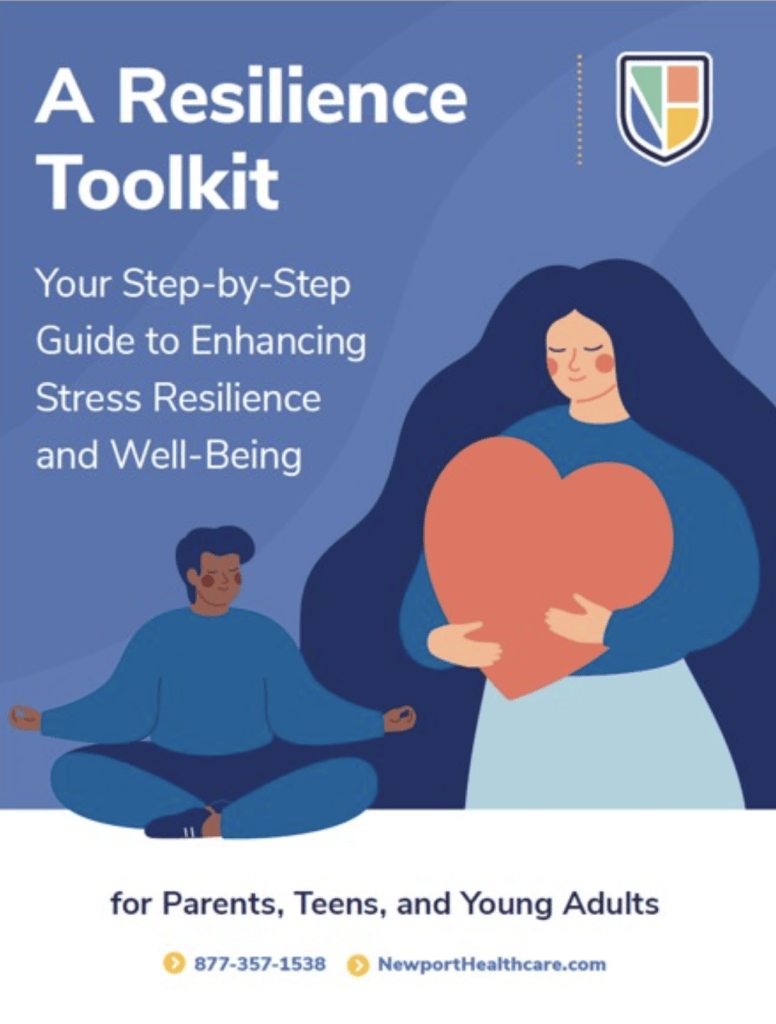
We’ve created a toolkit to help people of all ages build resilience. Download your toolkit now.
What Is Resilience?
Resilience is the psychological and physical ability to bounce back from adversity, trauma, or significant life stressors. It acts as an inner buffer, allowing individuals, communities, and materials to withstand high pressure without breaking. Far from being a fixed trait that people either have or lack, resilience involves a dynamic set of behaviors, thoughts, and actions that anyone can learn and develop over time.
In daily life, this quality manifests as emotional adaptability, physical stamina, and community strength during crises. Mentally resilient people process difficult emotions effectively, view failures as learning opportunities, and adjust their strategies when plans fail. Cultivating this skill requires building strong social connections, practicing cognitive flexibility, and focusing on actionable steps toward personal goals.
What Makes People Resilient?
Positive psychologists have identified a number of traits and behaviors that are associated with resilience, including:
- A sense of meaning and purpose
- Optimism
- Gratitude
- The desire to help others
- Humor
- Social connection and support
- A willingness to confront and grow from challenges and fears
But if you don’t possess those qualities, you can still strengthen your resilience, just like strengthening a muscle.
We Can All Build Our Resilience
We each have different levels of the qualities associated with resilience, depending on our temperament and personality. However, we all have the ability to increase our levels of resilience through small changes in the way we live and the way we think. For example, we can increase our feelings of gratitude by focusing on the good things that happen to us, not just the difficult and painful experiences.
Another powerful way to build resilience is by identifying and activating our strengths. When we discover our own unique talents and character strengths, we can learn how to utilize these gifts to address daily challenges. Building healthy habits also promotes resilience—whether that’s physical exercise, meditation, time in nature, or connecting with friends.
What’s In Our Resilience Toolkit
Download our toolkit to get evidence-based strategies for building resilience that you can integrate into your daily life, with suggestions tailored toward parents, teens, and young adults. Learn powerful, simple practices to enhance your well-being, including:
- Square Breathing to lower stress
- Supportive touch to build self-compassion
- How to start a Gratitude Jar, write a Gratitude Letter, and create a Gratitude Rock
- Ways to identify and activate your character strengths
Get Your Resilience Toolkit