Young Adult, Adolescent & Teen Residential Treatment Programs
Our young adult, adolescent, and teen residential programs provides 24/7, live-in residential mental health treatment for ages 7-35 with depression, anxiety disorders, trauma, eating disorders, substance use, and other primary mental health and co-occurring conditions.
Residential treatment is a vital step in mental health recovery, offering structured, supportive care for those facing significant challenges. Clients receive individualized treatment plan including psychiatric care, individual and group therapy, family therapy, accredited academic instruction, and experiential therapies.
Our teen residential locations are in California, Connecticut, Minnesota, Utah, Virginia, and Washington State. Our young adult residential locations are in California, Connecticut, Minnesota, Virginia, and Washington.
Listen To This Page
Age Range

Children (7–11)
Teens (12–18)
Young Adults (18–35)
What We Treat

Mental health conditions and
co-occurring disorders

About Our Residential Treatment
Residential treatment is the best option for those who are not improving with outpatient care, are experiencing significant levels of mental health distress, have co-occurring mental health and substance use issues, or are a risk to themselves or others. Residential treatment can also serve as a step-down care option for individuals transitioning from inpatient care. A mental health evaluation will help determine the appropriate level of care.
What Is Residential Treatment?
Residential treatment centers provide structured care for adolescents with severe mental health issues. A teen residential program is designed to provide structured care for adolescents with severe mental health issues. Residential treatment centers are home-like, live-in, and gender-specific facilities that provide a structured and supportive environment where young people can begin to heal. Teens receive 24/7 clinical care in residential programs. A residential treatment center offers 24/7 support and supervision in a safe, structured setting, along with intensive therapeutic interventions and a supportive community of peers facing similar challenges. Residential treatment includes individual, group, and family therapy.
This immersive setting allows for a comprehensive approach to treatment, where a multidisciplinary team of medical doctors, psychiatrists, therapists, registered nurses, registered dieticians, academic/life skills teachers, and more address underlying issues that lead to mental health issues and maladaptive behavior. This residential treatment program uses evidence based treatment methods and individualized care for teens with mental health struggles, including teen depression, behavioral problems, and substance abuse when appropriate.
During residential treatment, teens, children, and young people develop healthy coping strategies, build resilience and self-confidence, and learn essential skills needed to thrive in their next stage of life.
Residential treatment lasts an average of six months, though the average length of stay depends on clinical needs. Family involvement, including family therapy, helps improve communication, reduce conflict cycles, and support a smoother transition back to home life.

What We Treat
We are dedicated to helping teens and young adults heal and thrive, by providing comprehensive treatment programs that emphasize connection, inspiration, and support systems. We specialize in treating the following mental health disorders:
Depression
The extreme sadness and despair that accompanies depression threatens a young person’s safety and well-being as well as their daily functioning. The emotional pain can lead to substance use, self-harm, eating disorders, and thoughts of suicide. Our treatment program helps uncover the root cause of the depression in order to sustain long-term healing.
Anxiety
Living with anxiety can hold you back from being the person you’re meant to be. It can impact every aspect of your life, from your capacity to handle school, work, and relationships. But it doesn’t have to. Anxiety is highly treatable with the right care.
PTSD/Trauma
Post-traumatic stress disorder (PTSD) is a serious psychological disorder that develops in some people who have been through or witnessed a traumatic event, such as a serious car accident, natural disaster, or physical or sexual abuse. Treatment helps alleviate the distressing symptoms, such as flashbacks, nightmares, anxiety, and emotional numbness. Improving overall quality of life.
Obsessive-Compulsive Disorder (OCD)
Obsessive-Compulsive Disorder (OCD) is characterized by unwanted thoughts and fears that drive a person to do compulsive acts in order to ease the stress. Our OCD-specific treatment program helps young people manage OCD symptoms reclaim their lives.
Eating Disorders
Eating disorders affect a young person’s physical and mental health. Symptoms such as extreme weight loss, changes in appearance, and physical exhaustion are dangerous and need immediate treatment. We treat primary mental health and secondary eating disorders in teens and young adults.
Bipolar Disorder
Bipolar disorder is a condition characterized by severe mood swings that fluctuate between extreme highs, known as mania, to extreme lows, or depression. While the disorder is a lifelong condition, treatment can help people manage symptoms.
Borderline Personality Disorder (BPD)
Borderline Personality Disorder (BPD) is characterized by intense emotional instability, impulsive behaviors, and difficulties in interpersonal relationships. Treatment, including dialectical behavior therapy (DBT), can help individuals develop coping strategies and emotional regulation skills.
Substance Use Disorder
Substance use disorder in teens and young adults negatively affects every area of their life. Over time, recreational substance use can lead to severe addictions that threaten young people’s mental and physical health, relationships, and finances. With treatment, young people can achieve long-term recovery and build a brighter future.
Alcohol Use Disorder
Social drinking and partying can lead to severe alcohol addiction, which can threaten every area of a teen or young adult’s life. Our treatment program addresses the root cause, helping young people process past trauma, build resilience and self-worth, and develop healthy coping skills.
Psychosis
People with psychosis have a disconnection from reality, which can manifest as hallucinations and delusions. Individuals may have difficulty distinguishing between what is real and what is not, leading to significant distress and impairment in daily functioning. Comprehensive treatment can support recovery and improve overall well-being.
What Our Clients Experience in Residential Treatment

Research-Backed
Therapeutic Modalities
Therapy is a foundational component of treatment at Newport. Our therapeutic approach incorporates evidence based modalities and individualized treatment methods, including:
- Cognitive Behavioral Therapy (CBT)
- Dialectical Behavior Therapy (DBT)
- EMDR
- Acceptance Commitment Therapy
- Attachment-Based Family Therapy

Whole-Person Treatment
Our treatment approach addresses every aspect of a young person’s well-being—physical, mental, emotional, and relational. In addition to clinical modalities, we offer holistic therapies and experiential modalities to strengthen the mind-body connection. Through outdoor adventure therapy, yoga, music, and art, we help participants engage with their emotions and experiences in a tangible way.

Psychiatric Care & Medication Management
Admission begins with a thorough clinical assessment of the teen to determine each client’s specific needs and create an individualized treatment plan that includes medication as needed. Care is delivered by medical professionals and licensed therapists who work closely to monitor and track patients’ progress, with the goal of optimizing wellness and treatment goals.

Family-Focused Approach
Family therapy is a foundational component to our clinical model. We use Attachment-Based Family Therapy to heal parent-child relationships, improve the family dynamic, and build trust and authentic connection. Family involvement improves communication and support for teens throughout the healing process. Our goal is for young people to feel safe turning to their parents for support long after treatment ends.

Academic & Life Skills Program
Children and teens participate in classroom time with academic teachers using a fully accredited curriculum. We help young adults step into their next chapter with confidence by providing:
- Academic assistance
- Vocational planning and career development
- Strengthening executive functioning
- Life skills programming to help teens learn self-care, practice new skills, and prepare for daily life after treatment
Support and Connection
After Treatment
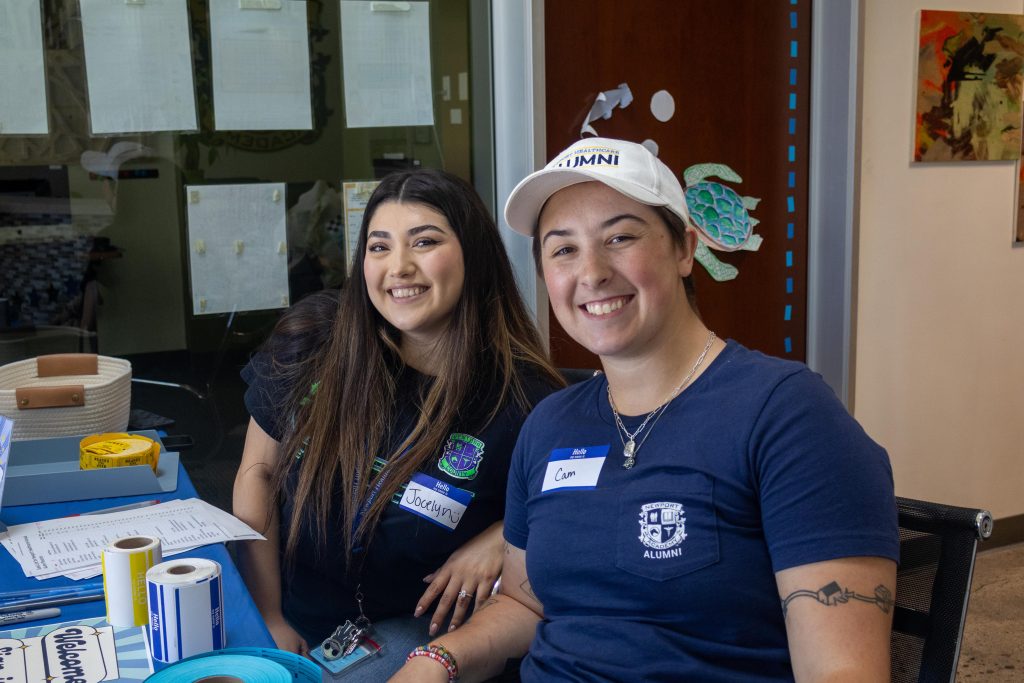
Support and connection at Newport continues long after treatment ends. Our robust Alumni Program provides opportunities for in-person and online peer connection as well as special programming and support groups for parents. Aftercare support may include:
- Outpatient therapy
- Partial hospitalization program
- Intensive outpatient care
- Support groups for parents
High-Quality, Affordable Care Covered by Insurance
Newport works with most major insurance companies and offers both in network and out-of-network access to make care more accessible and affordable. Insurance verification is part of accessing treatment services, and our admissions team helps families review benefits so they can maximize coverage. Insurance typically covers medical and mental health services at RTCs, and out-of-network coverage can sometimes be negotiated with an insurance company. Here are some of the insurance providers we work with:






Why Newport for Residential Treatment?
Our integrated approach to treatment addresses anxiety, depression, and other mental health disorders through age-appropriate, gender-specific care. This teen residential program supports adolescents facing mental health challenges and, when clinically appropriate, dual diagnosis needs within a structured residential program. Our program includes individual and group therapy, family therapy, an accredited academic program for children and teens, and a life skills component for young adults.
Regardless of whether your loved one is a child, teen, or young adult, our clinical model is designed to apply consistently across all programs. We meet our patients where they are with individualized treatment plans that address their physical, psychological, social, and emotional well-being, with parents’ input helping shape individualized care and treatment planning.
Family involvement is crucial; families participate in regular therapy sessions, which strengthens support systems and improves long-term outcomes for adolescents.
This multifaceted approach not only promotes self-awareness but also equips young people of all ages with practical tools to navigate challenges with strength and resilience long after they leave our program.
Residential Daily Schedule
Our young adult and teen residential treatment centers incorporate structured daily schedules within a teen residential program designed to promote stability and predictability in residential treatment centers. These structured routines help create a safe and supportive environment and give adolescents more stability in daily life while preparing them for healthier patterns in home life. Through a regular schedule of individual, group, and family therapy as well as mindfulness practices and experiential activities, this treatment program helps teens practice coping skills and skill building through group therapy and clinician-led activities, while learning healthy strategies, building self-esteem, and becoming more resilient; teens also learn essential life skills during residential treatment. School-aged clients receive accredited on-site academic support using an accredited curriculum to help adolescents avoid falling behind while in treatment. Here is what a typical day looks like:
| Time | Activities |
|---|---|
| 7:00–8:00 am | Shower, Breakfast, Morning Intentions |
| 8:00–12:00 am | Academics, Vocational, or Life Skills Development |
| 12:00 am–12:30 pm | Lunch |
| 12:00–1:30 pm | Process-Oriented Therapy |
| 1:30–5:30 pm | Clinical Therapy |
| 5:30–6:00 pm | Dinner |
| 6:00–9:00 pm | Group Activities |
| 9:00–9:30 pm | Evening Reflections |
View Our Outcomes
Visit our interactive page to see how our comprehensive treatment model creates transformative, lasting results for adolescents and young adults in both residential and outpatient care.

Hear from Newport clients about their experience.
Our Featured Reviews

Ana
Newport Academy was a wonderful choice for my son. He was a difficult patient but the counselors at Newport were consistent in their care and we achieved positive results.

Jillian
I am excited to have Newport Academy as a resource here in MN. There team has been very professional, and great communication. I was able to tour their facility and look forward to working together.
Kaetlyn
newport is a great place for treatment, the food is very good and they make birthdays very special. most of the staff is super helpful and understanding. the rooms are pretty clean and the beds aren’t too bad, they do have a strict schedule so don’t plan on sleeping in. gracie and james we’re definitely…
Aiyana
Newport is a really nice place, it helped me a lot, yes it had its ups and downs, but at the end it helped me learn and evolve as a person. They have really great staff, the staff was sometimes under staffed which made it really hard to go on coping walks. But overall its…
Myka
I really enjoyed my time at Newport. I was offered plenty of support and therapy options, including speaking with kids my age. My clinical team truely did care about me. Which made my therapy sessions much smoother. I was out before day 80. Food is great, staff are great, care is great. The only thing…
Lily
I’ve been here 2 times. Both times I didn’t want to go. The staff are awesome and food is good. It feels like a long time in there but it really helps in the long run.
Hailey
Hello i’m Hailey! i went to newport on july 3rd 2023 and it truly was a life change! You get an awesome treatment team who try’s they’re all to help you. It’s scary at first but you eventually get used to it all i have to say is they need more kid friendly food… but…
Nathan
With my experience with Newport things have been good the conversation with the councilors have been positive and they have tried to help and get my daughter the help she needs to move forward in a positive and healthy manner and to move in a good direction and to understand the path she was on…
Angela
My daughter (15 yrs old) spent just over 3 months at Newport Academy. It was incredibly difficult to send her there, but we were desperate. When your child no longer has a desire to live and is self harming, your options are limited. I was very concerned about sending her to a residential treatment facility…
Gavin
Hello! I am currently 14, I went to Newport Academy in Oakley, Utah just under a year ago, from July 29, 2022 – September 21, 2022. My journey at Newport has affected my life in so many positive ways. The people there were mostly supportive and mostly equipped to help me with my situation. Newport…
Frequently Asked Questions About Teen Residential Treatment
Residential treatment is often the right choice when a teen has acute mental health conditions that can’t be managed at home, like severe anxiety, suicidal behavior, or a substance use disorder. If a teen is a danger to themselves or others, or if they need constant support and are struggling with daily functioning, residential care is usually the best option.
A residential treatment center can provide the specialized care needed for teens with both mental health and substance use issues. Residential treatment centers offer a safe environment, comprehensive medical and clinical care, and round-the-clock support, which is often crucial for recovery.
If your teen is struggling with severe emotional or behavioral problems that affect their daily life, it might be time to consider intensive therapeutic care, such as residential treatment. Signs include frequent crises, inability to function at school, or harmful behaviors that you can’t manage at home.
Each client’s length of stay is individualized according to their needs, and determined by clinical progress, safety, and readiness for the next level of care. Our residential program is designed to be an intensive treatment period offering stabilization, assessment, and skill development.
A multidisciplinary team of medical doctors, psychiatrists, therapists, registered nurses, registered dieticians, academic/life skills teachers, residential staff, and more provide 24/7 care in a home-like, healing environment.
On average, families’ out-of-pocket cost for Newport’s teen residential treatment is $500 per week, with the remainder covered by insurance. Each client receives an individualized treatment plan covered by Newport tuition, which may include medication management; individual, family, and group therapy; experiential activities; and academic and life skills programming. Newport residential tuition also includes the cost of healthy meals and snacks, as well as housing in comfortable, home-like healing environments.
Frequently Asked Questions About Young Adult Residential Treatment
Depending on which stage of life the young adult is navigating, young adult residential programs often provide resources such as academic support, executive functioning support, life skills training, and career counseling.
Parents typically have regular contact with their young adult child during residential treatment, which may include phone calls, video chats, and scheduled family visits. The frequency and duration of contact can vary based on the program’s policies and the therapeutic goals set for the individual. Family involvement is encouraged to support the healing process.
A good discharge plan from a young adult residential program includes a comprehensive assessment of the individual’s needs, goals, and progress made during treatment. It typically outlines follow-up care, including outpatient therapy, support groups, and strategies for academic or career reintegration. The plan should involve collaboration with family members, employers, and educational institutions to ensure a smooth transition back to daily life.
A typical day at Newport Institute is structured yet flexible, designed to provide a balance of therapeutic activities, skill-building, and personal time. Our residents take part in individual, group, and experiential therapies, such as adventure therapy, art, music, and yoga. Each residential program utilizes its locations unique outdoor offerings so experiential therapies are location dependent.
The length of stay at Newport Institute depends on the individual needs and treatment goals of each client. Our team will work with you to create a personalized treatment plan.
On average, the out-of-pocket cost for Newport’s young adult residential treatment is $500 per week, with the remainder covered by the client’s insurance. Each client receives an individualized treatment plan covered by Newport tuition, which may include medication management; individual, family, and group therapy; experiential activities; and academic and life skills programming. Newport residential tuition also includes the cost of meals and snacks, as well as housing in comfortable, home-like healing environments.