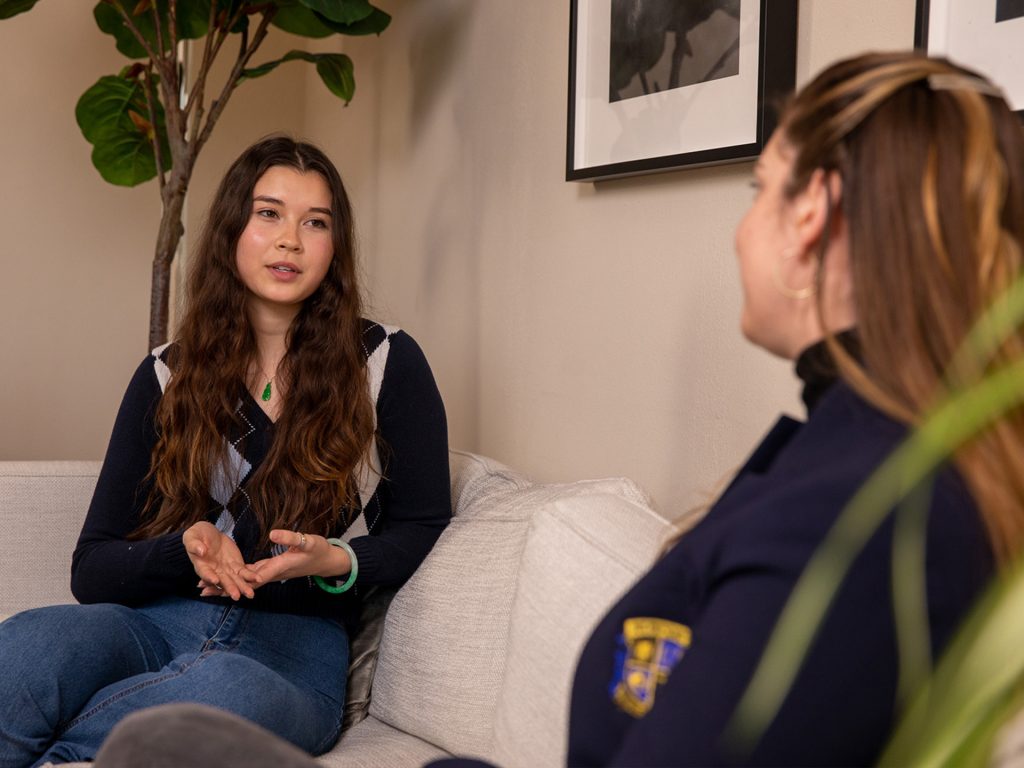


When life feels chaotic and unpredictable, having something to ground us becomes essential. Simple pleasures, like an annual ‘Friendsgiving’ celebration or a themed movie night with friends, can serve as cherished routines and rituals that provide comfort. These moments offer a chance to reconnect with ourselves and what truly matters in life.
As fall arrives and the holidays approach, many of us turn to cherished family traditions, customs, or special practices we’ve adopted to celebrate and honor this time of year.
But why are these rituals so significant? The mental health benefits of rituals are supported by science, but more importantly, they evoke emotional responses that feed our spirit, from nostalgia, to awe and wonder, and safety and comfort. And in a world that often feels overwhelming, we could all use more of that.
Quick Read
Rituals play an important role in providing comfort and stability during chaotic times. Simple traditions, like family gatherings or seasonal activities, help us reconnect with ourselves and our loved ones. They evoke positive emotions and can significantly reduce anxiety, especially during stressful periods. Engaging in these meaningful actions fosters a sense of community, boosts mood, and allows for creative expression, all of which contribute to improved mental health.
As the holiday season approaches, embracing cherished rituals can enhance our well-being. While they offer numerous benefits, it’s essential to ensure that rituals remain enjoyable and not burdensome. Finding small, comforting practices that fit into our lives can help us navigate the challenges of the season, providing a sense of joy and connection. Flexibility in these rituals allows us to adapt them to our needs, ensuring they continue to bring comfort and meaning.
What Are Rituals?
Rituals are the repeated, meaningful actions that shape the rhythm of our lives. It could be a favorite holiday tradition passed down through generations or the quiet nightly routine that prepares us for bed. Rituals not only improve our mood but provide a sense of safety and stability when things around us feel uncertain.
The Neuroscience of Rituals: How They Calm the Nervous System
Why do people gravitate toward rituals? From childhood, structured daily routines provide a sense of safety and security. As we grow into teens and young adults, we often encounter more intense life stressors. Falling back on a familiar routine can help lower stress levels when our body is in flight-or-fight mode.
Engaging in rituals reduces anxiety levels significantly by interrupting the cycle of worry, according to neuroscience research on spiritual and ritual practices. Rituals can help us process emotions and experiences by providing a structured way to express feelings.
In a study involving around 268 Czech university students, researchers discovered that engaging in specific, repetitive actions after experiencing anxiety helped reduce physical symptoms of tension more effectively than simply participating in regular or neutral activities. This effect was particularly pronounced in individuals who were prone to excessive worrying.
Why Seasonal and Holiday Rituals Are Important
The fall and winter months in particular are filled with honored traditions and rituals. People are connecting with the season by taking color walks, carving pumpkins, planning Thanksgiving dinner, hanging lights, and buying gifts for loved ones.
For those who find this season difficult, bringing back family traditions or starting new ones can be enough to turn your mood around. Finding the awe and wonder in the season can be hard sometimes, but even the smallest acts, like decorating cookies or volunteering at a soup kitchen, can spark joy.
8 Reasons Seasonal Rituals Are Good for Our Mental Health
1. They give us all “the feels”
Not only do traditions and rituals connect us to memories and family, but they connect us with a feeling that so many of us crave. For some, sipping that first pumpkin spice latte signals the arrival of fall. Others surround themselves with little reminders of the season through clothing choices and home décor, which have proven mood-boosting benefits.
These activities bring comfort and enjoyment in the moment and also give us something to look forward to. And studies show that anticipating positive events is linked to higher levels of well-being.

2. Boost mood in the winter months
For the 41 percent of Americans who say their mood declines in the winter months, turning to comforting rituals can take some of the sting out of the shorter, colder days. For example, creating a cozy indoor space filled with candles, fluffy blankets, and mood lighting offers a welcome escape from the outdoors. It’s the chill outdoors that makes being inside that much cozier.
3. Foster community and connection
Many fall and holiday rituals involve gatherings with family and friends, which helps us feel more connected and less alone. With more teens and young adults experiencing loneliness and isolation than ever before, these interactions create a sense of belonging and help strengthen relationships.
Young people who are experiencing family conflict may need to seek out other forms of connection. For example, around 70 percent of lesbian, gay, and bisexual youth experience a degree of rejection from family, and half of LGBTQ+ people are estranged from at least one family member. Leaning on your chosen family can help fill the void while giving you an opportunity to create new traditions.
4. Comfort during tough times
Not everyone looks forward to this time of year. For some, the holidays can trigger anxiety or grief as they navigate the loss of a loved one, a divorce, or health challenges. During these difficult times, gentle rituals—such as creating a memory garden or a photo album—can provide a meaningful way to process strong emotions.
For families experiencing separation for the first time, parents might consider establishing new traditions with their children in their respective homes to foster connection and create positive memories.
5. Nostalgia and reflection
Have you ever noticed how certain smells or sounds transport us back in time? Research indicates that nostalgia activates brain regions linked to self-reflection, memory, emotion regulation, and reward. It’s the reason we light that pine-scented candle in December or bake cookies just before a family gathering.
By engaging in these sensory experiences, we not only honor our past but also create a sense of connection and joy in the present.
6. Cultural and Personal Identity
Participating in cultural or religious rituals can reinforce a sense of identity and belonging. For instance, Diwali, the Festival of Lights, involves lighting oil lamps, sharing sweets, and participating in family gatherings.
Hanukkah traditions, such as lighting the menorah and playing dreidel, connect Jewish families to their history and faith. For Christians, decorating the Christmas tree, giving gifts, and attending midnight mass are traditions that make the season memorable.
7. Creative Expression
Many rituals involve creative activities, such as DIY decorating and crafting, cooking, baking, school band and choir performances, and more, which can be therapeutic and provide an outlet for self-expression.
Just 45 minutes of creative activity can significantly lower cortisol, the body’s main stress hormone). A poll by the American Psychiatric Association found that 46 percent of Americans use creative activities to relieve stress and anxiety.
8. Gratitude and Positivity
Many fall and holiday rituals emphasize gratitude and appreciation for what we have, which can shift our focus away from negative thoughts and improve our mood. Try striking up a conversation with a stranger or engaging in small acts of kindness. You may be surprised at how making someone else’s day improves yours.
Potential Pitfalls of Rituals
While they offer numerous mental health benefits, rituals that become overly rigid can cause unnecessary pressure. Moreover, when you feel compelled to participate in rituals out of obligation rather than genuine desire, it can lead to stress and resentment. For example, a family tradition that once brought joy may turn into a source of anxiety if family members feel like they’re held to certain expectations or standards.
Additionally, depending too much on rituals for emotional support can make people feel like they can’t handle life’s ups and downs without them. While rituals can be comforting, it’s important to find other ways to cope and stay strong.
Finding What’s Right for You
Not all rituals resonate with everyone. What may be comforting for one person could be stressful or meaningless for another. A ritual should bring you peace, joy, and comfort.
A comforting seasonal ritual doesn’t have to be elaborate. The goal is to find something small that feels good and fits naturally into everyday life.
- Start with the feeling you want. Are you looking for calm, connection, warmth, or something to look forward to? Let that guide your choice.
- Notice what you already enjoy. Think about comforting seasonal memories or simple pleasures, like warm drinks, soft blankets, favorite recipes, or crisp outdoor air. You can build on a familiar comfort or create something new.
- Choose something that fits your life. Consider your time, energy, budget, and surroundings. A five-minute ritual can be just as meaningful as a weekend outing.
- Give it a regular place in your routine. Try tea after an evening walk, a favorite soup on Sundays, or a few pages of a book under a blanket before bed. A familiar cue makes it easier to return to.
- Try it a few times and notice how you feel. Do you look forward to it? Does it leave you feeling more settled or connected? Adjust anything that feels inconvenient or forced.
- Keep it flexible. Let the ritual change with your needs. If it starts feeling like another obligation, simplify it or try something else. Comfort is the purpose.
Teen and Young Adult Support for Seasonal Depression
Are you struggling with grief or loss, seasonal depression, or other mental health issue? Newport’s expert therapists, psychiatrists, and medical staff are ready to support you and your family with evidence-based, compassionate care.
To find out more about our young adult programming or our programming for adolescents, get in touch with us today. Our Admissions team is available to help 24/7.