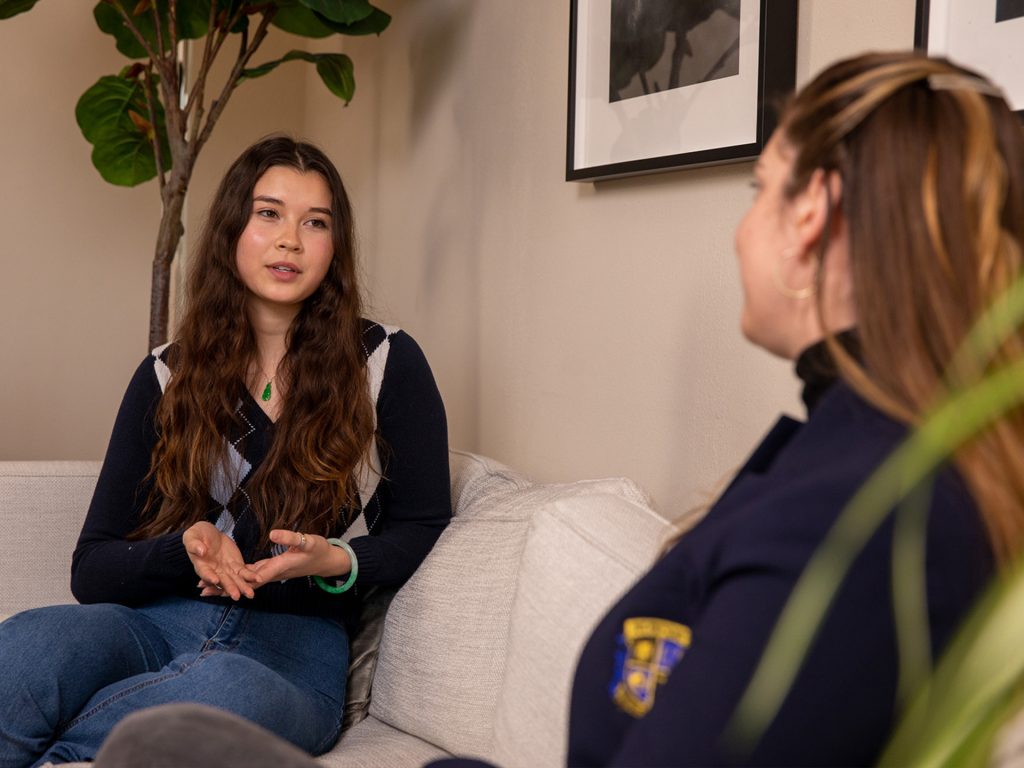



Research shows that when people feel more connected, they are more resilient in the face of challenges, especially mental and emotional health issues. Even the simplest acts of kindness can change the trajectory of a friend or neighbor who is isolated or suffering in silence.
Moreover, emotional support can go a long way in preventing the tragic incidence of suicide. That matters because suicide remains a major public health crisis in the US, and early support from those around us can help save lives. Below, you’ll find key facts about suicide and mental health, warning signs and risk factors, and practical ways to support someone who is struggling with depression.
Quick Read
Research shows that connection can enhance resilience against mental health challenges. Simple acts of kindness can significantly impact someone who feels isolated. Emotional support is crucial in preventing suicide, a major public health crisis in the US. Early intervention from friends and family can save lives. Understanding the facts about suicide, recognizing warning signs, and knowing how to respond can empower individuals to support those in need.
To help others feel seen and supported, consider these five strategies: follow up with friends and coworkers to check in on their well-being; connect with neighbors, especially the elderly, to reduce isolation; spread kindness through small gestures; discuss mental health openly with family; and practice active listening to create a safe space for sharing. If someone expresses suicidal thoughts, call 988 for immediate support and resources. By fostering connection and understanding, we can make a meaningful difference in our communities.
The Facts About Suicide in the US
Suicide is a pressing public health issue that affects countless lives across the country. According to the Centers for Disease Control (CDC):
- Suicide is the 10th leading cause of death in the United States.
- Nearly 49,000 Americans took their own lives in 2024.
- Firearm suicides are the most common, taking over 27,000 lives in 2024.
According to the 2025 National Survey on Drug Use and Health (NSDUH):
- 13.9 million adults had serious thoughts of suicide in the past year. Approximately 4.9 million made a suicide plan, and 2.3 million attempted suicide.
- 2.6 million adolescents aged 12–17 had serious thoughts of suicide in the past year. Approximately 1.3 million made a suicide plan, 738,000 attempted suicide.
According to the American Foundation for Suicide Prevention (AFSP):
- Suicide rates are 4x higher among men than women.
- Suicide is the second leading cause of death among youth and young adults aged 15–34.
- The highest rate of suicide is among those aged 85+, followed by those aged 75–84.
While these are sobering statistics, social support provides a hedge against stress and promotes self-esteem, decreasing the emotional and mental distress that leads to thoughts of suicide. Additionally, people are more likely to seek help when they have a network that encourages them to do so and/or assists them in finding therapeutic solutions.
5 Ways to Help Others Feel Seen and Supported
According to The Journal of Research in Health Sciences, social support plays “a significant role” in “preventing suicidal ideation and behaviors.” A helpful network or even a few solid connections can strengthen a person’s mental outlook and make them less susceptible to hopelessness and despair.
When people feel connected, safe, and supported, they are far less likely to be at risk of suicide. Here are some ways help people feel seen and supported in your community:
1. Follow Up with Friends and Coworkers
If you have a friend who is struggling or has fallen out of touch, a coworker who seems disconnected, or someone in your network who is going through grief or a difficult life change, take a moment to ask how they are doing. This is especially important if you know the person has a history of mental health challenges. Offer to meet up for coffee or have lunch. Even a check-in conversation over text can show that you care.
2. Check on Your Neighbors
If you know your neighbors, don’t hesitate to say hello and find out what’s new. This is especially the case if you have elderly neighbors. Older people are at greater risk of being physically and emotionally isolated. Taking groceries over or giving a ride to the doctor’s office can help them feel safer and supported.
3. Spread Kindness
As you go about your day, think about how you can spread kindness, especially to those who look like they could be having a better day. Compliment someone’s outfit, strike up a conversation at the dog park or in the grocery line, and consider paying for the order of the person behind you in the drive-thru line. Having friendly interactions with those around you can boost not just their mental health, but yours, too.
4. Talk to Your Family About Mental Health Awareness
Sometimes we assume that our family members or those closest to us will tell us if they are struggling, but that is not always the case. In fact, our loved ones may often hide negative feelings if they don’t want to burden us or if they assume (mistakenly or not) that we won’t respond with sensitivity. Even if it feels a little awkward, talk to your family about mental health awareness and how you are always available to listen if they are feeling down. Learn about positive coping skills, share your knowledge, and encourage your loved ones in the pursuit of good mental health.
Read more about How to Talk to Men About Mental Health
5. Be a Good Listener
Most people will not express that they’re feeling down or struggling with something if they’re not sure that it’s safe — or that the other person is really listening. Practice being an active listener by paying attention, reflecting back what they’re saying, and asking relevant follow-up questions.
If someone talks to you about their thoughts or plans of suicide, call 988. The helpline is designed to provide you with resources and guidance for suicide prevention.
Warning Signs That Someone Is Suicidal
How do you know if someone is suicidal? Here are some warning signs to watch for:
- Depression that seems to continue or worsen over time
- Refusal to talk about anything serious or personal, even deflecting with humor
- Making references such as “if I were gone,” “if something happened to me,” or saying that others would “be better off without me,” including expressing feelings of being a burden
- Isolating themselves, cutting off friends or family
- Start or increase in substance use without regard for consequences
- Increased risk-taking behavior
- Imagining ways to kill themselves (suicidal ideation) or having intrusive thoughts of suicide or self-harm
- Creating a plan for suicide or talking about wanting to harm themselves
- Out-of-character decisions, extreme behavior, numbness to their own interests or others’ feelings
Suicide Risk Factors
Being aware of suicide risk factors can help you identify when someone might be in trouble. The CDC suggests that the following conditions can put someone at greater risk:
- They have a history of mental health issues, especially depression
- They’ve been having problems with their family or domestic partner
- They’re socially isolated or a victim of bullying
- They’re dealing with financial difficulties or lost their job
- They don’t have access to quality health care
- They have access to lethal means (firearms, drugs, etc.)
- They’ve attempted suicide before
Chronic pain or longstanding illness, pervasive insomnia, traumatic experiences, or a significant loss can also be risk factors. Moreover, unaddressed anxiety may also raise concern, especially when it worsens overall well-being. When you ask how someone is feeling, help them explore solutions, supply critical aid, or just be present to listen, you can make a world of difference in a hurting person’s life.
Certain medications may also have side effects that cause suicidal thoughts, so if your loved one is uncharacteristically experiencing worsening depression or suicidal ideation, check their medications and get in touch with a primary care provider as soon as possible. If warning signs point to immediate danger, act quickly and treat it as a mental health crisis.

Taking Precautions for Suicide Prevention
You may be doing everything you can to support a loved one, helping them feel heard and connected. Here are a couple other precautions you can take if someone in your household is struggling with mental health issues and may be at risk of suicide:
- Secure any firearms. If you have firearms in your home, store them in a safe, and keep the combination hidden. Firearms are the leading method for suicide, and storing them properly can reduce the risk of their use.
- Secure any prescription medications. Secure any prescription medications, especially those that contain opioids or tranquilizers, in a safe place. For medications that you are no longer using, crush them up and discard them or take them to your local pharmacy—many major pharmacies have take-back programs for this purpose.
When you suspect someone is in danger of suicide, it’s time to get in touch with treatment professionals. A suicidal person may be experiencing physiological or clinical issues that require immediate treatment. If they are expressing an imminent wish to harm themselves, a trip to the emergency room may be a necessary first step.
Treatment for Mental Health Issues and Suicidal Ideation
At Newport Healthcare, we understand the seriousness of mental health issues and how they can cause life-disrupting problems, even suicidal ideation and thoughts of self-harm.
Our treatment programs for teens ages 12–18 and young adults ages 18–35 get to the root causes of mental health challenges and equip young people with the skills they need to thrive in their next chapter.
Our compassionate team provides support, knowledge, and guidance every step of the way. If someone you love has been struggling with their mental health, reach out to us today.
Sources
- SAMHSA 2025 Survey on Drug Use and Health
- J Res Health Sci. 2024 Jun 1;24(2):e00609.
- American Foundation for Suicide Prevention
Frequently Asked Questions
When people talk about suicide or harming themselves — or make references to not being needed or being gone — you should always take them seriously. Anyone who is telling you about their thoughts or plans is looking for someone to care, and they are still open to being talked out of it. Don’t hesitate to call 988 and get a treatment professional involved. Just because someone stops mentioning their plans does not mean they are feeling better. Take action immediately to prevent suicide.
When people feel connected, safe, and supported, they are far less likely to be at risk of suicide. Be kind, check on coworkers and neighbors, and reach out to those who are isolated, especially the elderly. Be a good listener, and talk to your family and friends about mental health awareness. If someone in your household is struggling with depression or suicidal thoughts, get a treatment professional involved. Secure any firearms in a safe, and secure any prescription drugs that could be misused.
Call 988 if someone talks to you about their thoughts or plans of suicide. The helpline is designed to provide you with resources and guidance for suicide prevention.
Sometimes it’s little things and random acts of kindness that can mean the most. Check in with a friend who’s been distant, visit an elderly neighbor, strike up a conversation with someone in line at the grocery store. You never know how these small acts can brighten someone’s day.
Signs that someone is suicidal include longstanding or worsening depression, isolation, increase in risk-taking behaviors, suicidal ideation, talking about harming themselves, emotional numbness, and out of character or extreme behavior. Sometimes people can mask the symptoms or deflect with humor. If you think someone you love is at risk of suicide, call 988.
Suicide rates are 4x higher among men than women. Elderly people aged 75 and older are the most at risk based on the current rates of suicide in the US. Additionally, suicide is the second leading cause of death among youth and young adults aged 15-34.