
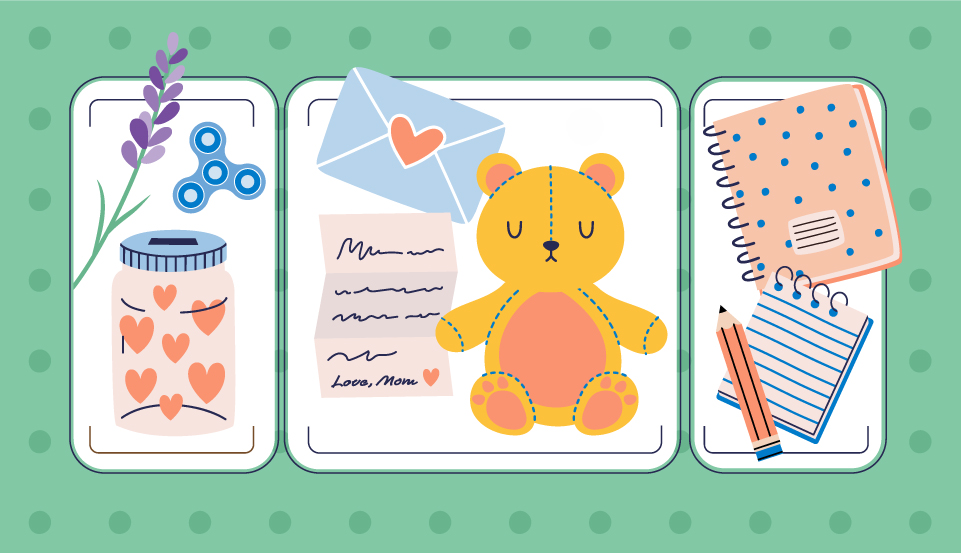


When depression symptoms intensify, even small decisions can feel impossible. Preparing an easy-to-reference kit can make it easier to reach for support and coping skills when you need them.
A depression kit is a personalized collection of items and resources that can help during a tough time, or when you feel like you just need to take a moment for yourself. Although it does not replace professional treatment, a self-care kit can be powerful in reinforcing healthy strategies and guiding you toward hope during a gray period.
A depression kit can be helpful at any age. In this article, learn what a depression kit is, what you might consider adding to it, and steps for using it to support better mental health. Clinicians and other professionals can share this approach with clients to help them build self-advocacy and resilience.
Quick Read
A depression kit is a personalized collection of tools, reminders, and resources that can help someone cope when depression symptoms feel especially difficult. It might include grounding objects, a journal, encouraging reminders, calming activities, and contact information for people who can provide support.
A depression kit isn’t a treatment for depression, and it shouldn’t replace professional mental healthcare. Instead, it can be a practical resource for getting through a difficult moment and connecting with additional support when needed.
What Is a Depression Kit?
Depression can affect mood, motivation, energy, and concentration. And at times, it can be hard to see beyond the current feelings you’re experiencing. When these symptoms feel overwhelming, it can feel difficult to remember what helps or even find the motivation to use the coping skills that can make a difference.
That’s where a depression kit comes in. Think of it as a mental health first aid kit: a highly accessible physical or digital place that contains healthy coping approaches and resources you can go to when you’re feeling down.
A toolkit like this does not replace professional mental health support. But it can be a powerful tool to have, alongside attending regular therapy or a mental health program.
What to Include in a Depression Kit
People of all ages can make a depression kit based on their personal needs. You can even build different kits for different spaces, such as at home, work, or even on the go. Teens, young adults, and students may want to work with a parent, mentor, therapist, or other trusted adult to build a kit.
There’s no universal list of items that will help everyone in the same way. Consider tools that support grounding, self-care, connection, and more. The items listed below are suggestions. Remember to tune into your own needs rather than filling a container to the brim with random ideas or objects that might end up being overwhelming instead of supportive.
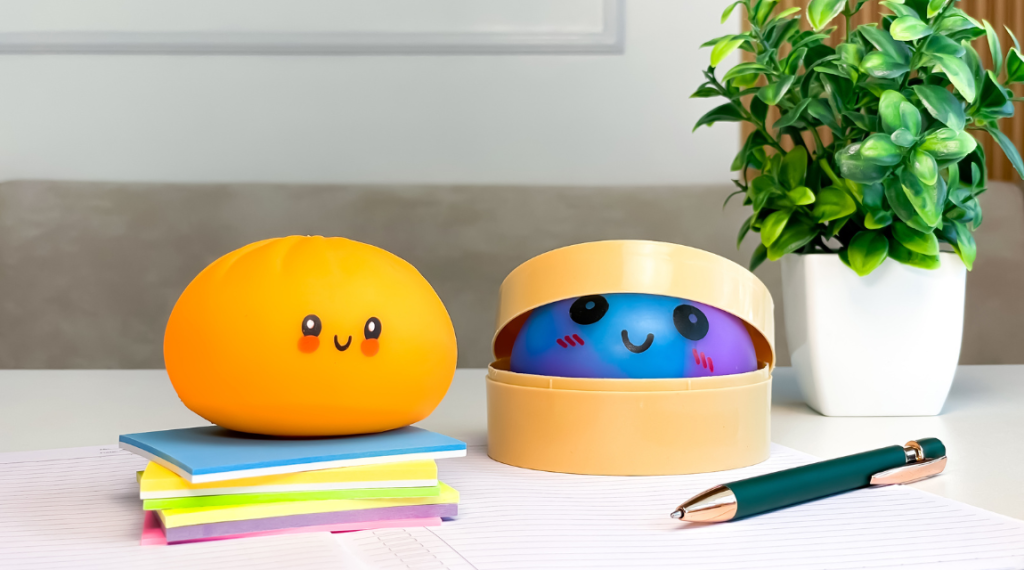
Grounding and Sensory Tools (e.g., Stress Ball)
Sensory tools can help shift your attention toward the present moment and even relieve some symptoms when emotions feel overwhelming. Items can include:
- A stress ball, fidget, or textured item
- Putty or another tactile item
- A soft blanket or hoodie as a comfort item
- Any other objects associated with positive memories or comfort
A sensory tool might not eliminate difficult emotions, but it can help redirect them; for example, weighted blankets use deep pressure touch to soothe anxiety and help calm the body. In addition, using a stress ball while practicing deep breathing can help redirect concentration and focus to the current moment.
Aromatherapy
Aromatherapy, for people who can tolerate it, can be a powerful tool for comfort. If it is personally helpful, consider a roller ball of fragrance or another familiar, essential sensory option.
Weighted plushies that include aromatherapy, such as lavender, combine smell and touch to ground your senses, and essential oils can gently pull the brain back into the present moment.
Some people can be extremely sensitive or even allergic to scents. If you can’t tolerate it, or if you’re unsure for someone else, it’s best to skip it.
Journaling
Pausing to process your thoughts and put them on paper can be an important part of redirecting your thinking or figuring out next steps for managing tough times. A small notebook and a writing utensil can provide a safe place to slow down, let your thoughts flow, and track symptoms over time.
Present-centered prompts can be helpful if you’re new to journaling. Try questions such as:
- What am I feeling right now?
- What feels the hardest about this moment?
- What has helped me through difficult moments before?
- What do I need right now?
- Who can I contact to let them know how I’m feeling?
Some people also like to write short affirmations in their journal to support self-soothing.
You can ask your mental health provider for other prompts that might align better with your treatment goals. Or, if venting your feelings on the page helps, that’s great as well. The goal is to give your mind a safe space for reflection and a chance to notice how certain patterns or triggers affect you.

Compassionate Reminders
Depression can be very isolating, and negative self-talk can easily take center stage. Cards or notes can be a tangible reminder of your worth and the people who love you, and a way to challenge intrusive thoughts.
Consider some of the following items:
- A birthday card from a loved one that shares how much you mean to them
- A thank-you note that expresses how much you are valued
- An encouraging text from a parent about how far you’ve come (take a screenshot!)
You can also consider a few positive affirmations that feel believable and support resilience in the moment:
- “I don’t have to solve everything right now.”
- “I can trust myself to get through this hard moment.”
- “I am worthy of extra attention and care.”
- “I don’t have to go through this alone.”
You can write these reminders on a card and carry them in a wallet, notebook, or phone case.
Digital Coping Tools
A phone, laptop, or tablet can also be a highly accessible route for a depression kit—but only if the user isn’t tempted to access other media that’s not helpful.
Consider creating a folder or a shared document with resources, such as:
- A calming playlist of music or ambient sounds that can create a sense of grounding
- A QR code that links to guided audio or video meditations or other mindfulness exercises
- Mental health apps for journaling, grounding exercises, check-ins, or calming offline activities like a puzzle book to help manage low moods
When possible, save helpful resources offline, or print them out, especially when internet access is spotty or a device isn’t working. That can be one way of avoiding excess device use that could make depressive symptoms worse.
Social media, for example, can fuel mental health challenges, and binge-watching TV or YouTube can be an unhealthy self-soothing strategy. So if you know that might be a concern, consider only physical items for the depression kit.
Connection and Crisis Resources
One of the most important aspects of a depression kit is a plan of who to talk to about how you’re feeling. Create a physical list or “favorite” important contacts in your phone so you know who can help at a difficult moment. Include:
- Names and phone numbers of trusted family and friends
- Contact info for your therapist or another mental health professional
- Details for a school counselor, coach, or teacher
- Your safety plan, if applicable
- Crisis resources
For parents and caregivers, this is a great opportunity to create connection with your loved one. It can open the door to conversations about who can be trusted and what support can look like when they’re struggling.
Remember, you can always call 988 to talk with a trained specialist about what you’re feeling and get support on next steps. You don’t have to white-knuckle it through tough emotions on your own.
Know Your Warning Signs
A depression kit is most effective when you can tell things are starting to feel a bit off. The great part is, these coping techniques can help in everyday life, so no matter what, it can be beneficial to reach for.
Warning signs of depression can look different from person to person, but here are some common red flags that indicate a need for support:
- Withdrawing from those around you
- Losing interest in activities you enjoy
- Changes in sleep or appetite
- Increased irritability
- Feeling hopeless or noticing that your negative thoughts have become more intense
If there’s a specific feeling you get that indicates your depression is getting worse, note it. Maybe it’s feeling more tired than usual, noticing changes in relationships, or finding yourself zoning out more than usual; it’s all important to notice. If symptoms persist for two weeks or more, professional help is recommended.
If you ever feel in distress, have thoughts of self-harm, or think you may hurt yourself or others, always call 988 or go to the nearest ER immediately.
How to Use a Depression Kit During a Difficult Moment
A depression kit works best when it’s part of a simple plan, such as:
1. Pause
Notice what’s happening without judging yourself. Identify what you’re feeling and whether you’re experiencing a warning sign.
2. Ground
Choose one sensory, breathing, journaling, or other coping tool from the kit. Focus on getting through the activity rather than solving everything at once.
3. Connect
Reach out to someone on your support list. Use a prepared message if finding the words feels difficult. Something short like “I’m struggling with my mental health” can be a very clear but simple message to open up the door for support.
4. Get Help
Contact a mental health professional or crisis resource when additional support is needed. If your or someone else is in immediate danger or cannot stay safe, seek immediate emergency/crisis support rather than relying on the kit.
Make Your Depression Kit Personal
The best depression kit for you will always be one that’s based on your needs. For one person, listening to music and journaling about the day can help. At the same time, another may benefit from reading a wholesome letter from a loved one, keeping comforting pictures nearby, or including small objects that bring a sense of joy.
Consider asking yourself:
- What helps me feel calm and in the moment?
- What makes the kit feel most supportive?
- What helps me express how I’m feeling
- Who can I contact when coping skills on my own don’t feel like enough?
Keep an open mind and know the kit can change over time. It’s not set in stone. Coping strategies that help in one stage of life might not be as useful later.
Depression Kit Example Checklist
If you’ve never made a self-care kit, where to start can feel like a mystery. But keep it simple and focus on what’s helped you cope best in these moments. Plus, you can always revise your kit over time when you see what really helps, and remove items that aren’t the best fit.
An example checklist to consider may look like:
- A sensory item such as a fidget, stress ball, or other item that redirects your physical focus
- Comfort objects or meaningful keepsakes, such as a soft blanket
- A journal with pens and a few prompts to work through thoughts
- Compassionate reminder care, whether it’s a pleasant birthday card from a friend or Favorite photos or mementos
- Grounding or mindfulness exercise such as deep breathing exercises
- A soothing drink option such as herbal teas
- Names and contact information for trusted people (friends, family, mentors, coaches, healthcare professionals, etc)
- Add your personalized safety plan (if you have one)
Your kit doesn’t need to be perfect to be helpful. This list can help you get started and take some of the pressure off to get it just right.
Can You Gift Someone a Depression Kit?
Yes, you can give someone a depression kit. For someone with depression, receiving a thoughtful self-care basket can be a meaningful surprise that reminds them that they are loved and cared about.
However, do not go in with the intention that you will “cure” their depression or that depression is as simple as just feeling better when you use a strategy. Instead, let them know you thought of them and put together a few items that they might find comforting.
Part of gifting someone a depression kit also needs to be checking in with them. Ask how they’re doing, listen without judgment, and support them in connecting with a mental health professional if needed.

A Mental Health Kit Is One Tool—Not a Treatment Plan
Remember, a self-care kit is not a treatment for depression. A kit can provide helpful coping skills, but it does not replace professional care.
Depression is a serious medical condition and isn’t always simple, especially if someone has other mental health or physical health concerns. Treatment can include psychotherapy, medication management, or a more structured program than weekly therapy, such as an Intensive Outpatient Program (IOP) or residential treatment.
A depression kit can certainly complement treatment and reinforce vital takeaways from therapy, however. Plus, it provides an accessible route to skills that are practiced outside of professional appointments.
Treatment for Young People with Depression
A depression kit can make tough moments a bit easier and provide next steps to take to support healthy coping approaches. But no matter what, you don’t need to do it all on your own. Getting professional support can make a real difference in your loved one’s or your own life.
Newport Healthcare offers a wide range of depression services for children, teens, and young adults, from telehealth outpatient programs to residential treatment centers nationwide. Plus, we offer complimentary mental health assessments that can help families explore the best next steps for getting care.
If you or a loved one is struggling, our team of experts is here to help. Contact us today to get started.
Sources
- Evid Based Complement Alternat Med. 2017 Jan; 5869315.
Frequently Asked Questions
Sensory items, like a squishy, pop-it, or fidget, can provide a physical focus when emotions feel overwhelming. Activities such as squeezing a stress ball or using a textured object may help someone redirect their attention to the present moment, and they can support other coping strategies like deep breathing or redirecting thoughts.
A self-care kit may help someone manage difficult moments, but it isn’t a treatment for clinical depression. People experiencing any form of depression should always consider professional treatment, especially if the symptoms are persistent or become severe.
Common items include sensory tools, a journal, comforting objects like a weighted stuffed animal, calming activities, and reminders from trusted people. The most useful items are often personalized and focused on your specific needs.
xplain that the kit is not intended to cure depression or replace therapy. Instead, it’s an easy-to-access resource for managing rough times and knowing when to reach out for support.
Depression can make it tough to remember what to do when symptoms become worse or even to have motivation to take the first step in practicing coping skills that can help. Having trusted contacts, mental health providers, and crisis resources readily available reduces steps and provides quicker access to support.