


Daylight Savings Time has kicked in, the sun is setting earlier, and the air is getting colder. Winter hasn’t even arrived yet, but you’re already dreading it.
Maybe you’re remembering how hard last winter felt. Maybe you’re worried your mood will dip when the days get shorter. Or maybe you’re just not looking forward to icy roads, canceled plans, and spending more time indoors.
If you’re a clinician or a parent, you might be seeing signs of winter anxiety in your children or clients. In kids, this type of seasonal anxiety can include worrying about storms, fear about their parents driving in bad weather, and a general sadness and lack of motivation.
Winter anticipation anxiety is the stress and worry that builds up before winter has arrived. If the changing seasons leave you or someone you care for feeling uneasy, there are ways to make the transition a little easier.
Quick Read
Winter anticipation anxiety or seasonal anxiety is the worry or dread that can arise before winter begins, often triggered by shorter days, disrupted routines, isolation, holiday pressures, difficult memories, or fears that seasonal depression will return.
Strategies to help with winter anxiety include acknowledging difficult emotions, keeping routines flexible, getting daylight and exercise, staying socially connected, challenging worst-case predictions, and planning ahead for challenging periods. Grounding exercises, slow breathing, sensory comforts, and reaching out to others can help when anxiety spikes.
Professional support is important when symptoms persist, worsen, or interfere with everyday life. A therapist or medical doctor can help determine whether your or a loved one is struggling with seasonal affective disorder or an underlying anxiety disorder.
What Is Winter Anticipation Anxiety?
Anticipatory anxiety describes the feeling of being worried about something that hasn’t happened yet. Instead of responding to a problem in the present, your mind starts preparing for what might happen in the future. With winter anticipation anxiety, that might look like worrying about driving in the snow, anticipating a return of seasonal depression, or remembering how lonely or overwhelming last winter felt.
Anticipatory anxiety can happen for all kinds of reasons, like negative memories, trauma, or underlying conditions like seasonal affective disorder (SAD), which typically begins in fall and often eases during spring and summer months, as well as generalized anxiety disorder, OCD, or phobias. The brain draws on past experiences to predict what’s coming. If previous winters were difficult, shorter days and colder weather can trigger a fear that it might happen again.
Why Does Winter Make Some People More Anxious?
There isn’t one reason winter feels difficult for everyone. Often, it’s a combination of environmental changes, daily stressors, past experiences, and seasonal risk factors. All of these factors can lead to a heavy dose of winter blues for many people.
Some common triggers include:
- Reduced daylight: Shorter daylight hours can disrupt circadian rhythms, which can affect neurotransmitter levels as well as sleep, energy, and mood.
- Changes to routines: Time changes, school schedules, and shifting work routines can disrupt sleep and make everyday life feel less predictable.
- Cold weather and isolation: Icy sidewalks, difficult commutes, and fewer opportunities to spend time outdoors can make it harder to stay active and connected.
- School and work pressures: Midterms, deadlines, and end-of-year responsibilities often pile up as the days get shorter.
- Holiday expectations: Family gatherings, travel, financial stress, and the pressure to feel festive can create winter anticipation anxiety.
- Difficult memories: Grief, family conflict, or previous experiences with winter depression can trigger anxiety.
- Eco-grief: Anxiety or grief about climate change may come up around unpredictable winter weather.
How Past Winters and Holiday Stress Can Shape Expectations
If you or a loved one has had particularly difficult winters before, it’s understandable to feel anxious when fall rolls around again.
Maybe your teen struggled with depression, felt disconnected from friends, or found it difficult to manage their responsibilities when their energy was low. As the days start getting shorter, you might find yourself bracing for a repeat.
The problem is that anticipating a difficult season or tricky holiday dynamics can become exhausting in its own right. For example, a young adult might spend weeks worrying about feeling bad in winter, withdrawing from activities they usually enjoy, or interpreting every dip in their energy as a sign that things are about to get worse.
Recognizing this pattern can help people start separating what happened in the past from what they know is true about the winter ahead.
Supporting a Teen Through Fall and Winter Anxiety
Parents and caregivers may notice seasonal changes in their teen or young adult before they can explain what’s happening. Your child might seem more irritable, their sleep may be disturbed (or they may sleep more), or they might withdraw from friends, struggle to get to school, or talk frequently about dreading winter or fear about getting sick. They might also seem unusually tired, have a harder time concentrating, or show low mood as the seasons change.
It’s tempting to jump straight into problem-solving, but start by listening. Let them know their feelings make sense, even if winter doesn’t affect you the same way. You might say, “I can see that the shorter days are getting to you. What feels hardest about this time of year?”
From there, you can work together to identify what might help. That could mean creating more predictable family routines, planning low-pressure activities, or talking with a teacher or school counselor if fall anxiety is affecting attendance, grades, or the transition into a new academic year.
Offer support without adding pressure. A teen who is already overwhelmed might not need another list of things they should be doing. Usually, they need someone to listen, and then they might need help figuring out one small, manageable next step.
6 Tips for Coping with Winter Anticipation Anxiety
We don’t have to love winter to feel better during it. Convincing yourself or your loved one that everything will be wonderful most likely won’t work. However, you can make the season feel more manageable by using helpful tools to handle the hard parts.
1. Allow some time for grief
Making space for whatever hard feelings come up is one of the best ways to give them less power. If you or your loved one can sit with hard feelings, without keeping them down or numbing them out, they’ll move through more easily.
2. Create a supportive routine
We all know that routines can provide stability, but many people cringe at the idea of structuring their whole day. That can lead to feeling bad about yourself when you can’t, or don’t, do the things you planned.
But routines don’t need to be rigid, and an elaborate wellness routine isn’t necessary. Instead, work toward building a flexible, consistence routine for you or your family:
- Keep sleep and wake times relatively consistent
- Make a point to get outside during daylight hours to increase exposure to natural sunlight
- Maintain a regular dinnertime
- Create an evening routine designed to support winding down and getting ready for sleep
3. Keep moving and stay connected
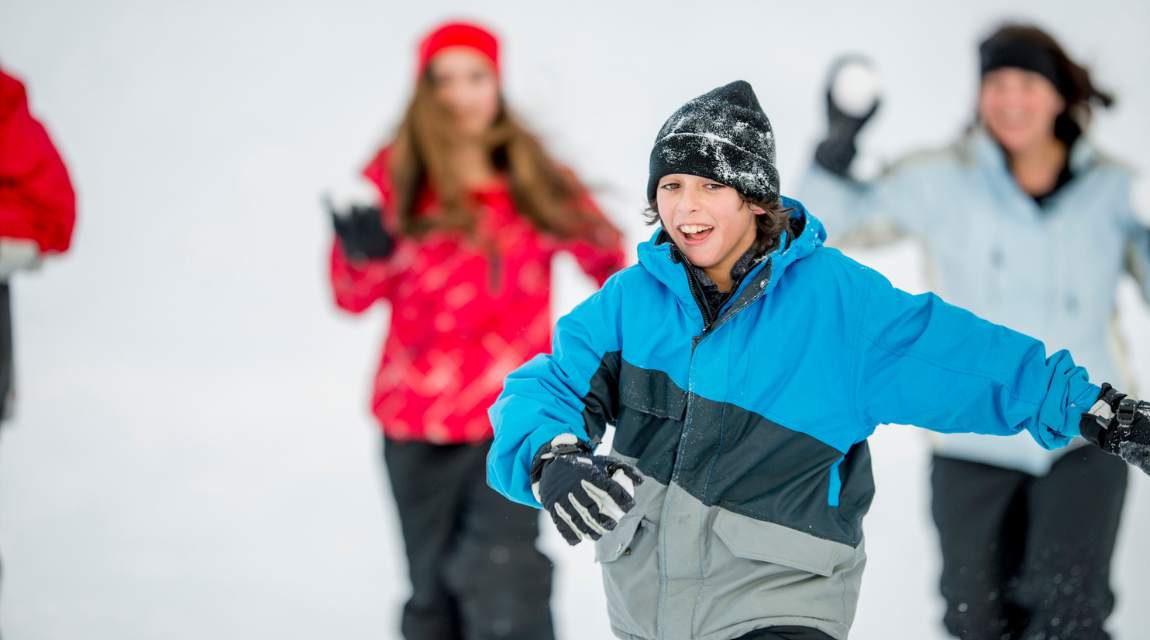
Cold weather can make it tempting to stay inside and cancel plans. Sometimes, rest is exactly what’s needed. But withdrawing from physical activity and social connection altogether can leave you or your loved one feeling more isolated.
Look for activities that feel realistic for winter. You might try an indoor dance class, yoga, or climbing. Encourage yoru teen to do an after-school activity, start a book club with friends, or take a pottery workshop.
4. Challenge your worst-case predictions
When anxiety takes hold, it’s easy to treat your fears as facts. Your teen might complain, “I’m going to be miserable all winter,” or you might find yourself thinking, My depression is going to come back, and I can’t handle that.
Cognitive Behavioral Therapy (CBT) offers tools to recognize and challenge these patterns. CBT for winter anticipation anxiety encourages people to think more clearly about the season ahead by asking themselves:
- What am I predicting will happen?
- Why do I think this might happen?
- What do I actually know right now?
- Is there another way this situation could unfold?
- What could help me handle things if they do get difficult?
The goal is to make room for a more balanced way of thinking, such as: “Last winter was hard, but I’ve learned some things about what helps me. This winter doesn’t have to look exactly the same.”
5. Take small steps instead of avoiding everything
If winter brings up specific fears, avoidance often offers short-term relief. But over time, it gives those fears more power and makes them feel even bigger.
To prevent yourself from entering into total freeze mode, try taking smaller steps. How can you break up what you’re trying to do into smaller chunks? Maybe instead of forcing yourself to socialize three or four times per week, you start with once or twice. If upcoming holiday travel is stressing you out, try a shorter trip.
Move at a pace that feels manageable. If the anxiety is intense, a mental health professional can help you work through it safely.
6. Plan for the parts of winter you find hardest
You probably already know which parts of winter are most challenging for you or your loved one. Maybe it’s the earlier sunsets, the holiday season, or the stretch of time during winter break when your teen hasn’t seen friends in a while.
Think about what might make those periods easier before they arrive. You could plan a few enjoyable family activities, schedule regular social gatherings, or build downtime into a busy holiday calendar. If financial stress is a concern, set a realistic budget and consider simpler ways to celebrate.
You can’t control the weather or every difficult thing that might happen, but you can make choices that give you and your loved one more support and flexibility.

What to Do If Autumn Anxiety Levels Increase
Even with preparation, there will likely be days when winter anxiety or depression feels especially strong. In those moments, a few self-care strategies can help shift attention away from worrying about the future and back to the present.
- The 5-4-3-2-1 exercise: Notice five things you can see, four you can feel, three you can hear, two you can smell, and one you can taste. Another take on this is the 3-3-3 rule for anxiety.
- Counting the breath: Inhale gently for four counts and exhale for six. Repeat for a minute or two, adjusting the pace if it feels uncomfortable.
- Mindfulness as a form of relaxation, such as a color walk: Even a minute of noticing the breath, bodily sensations, or surroundings can help, and practicing mindfulness may lower cortisol levels.
- Sensory comforts: A warm blanket, a warm mug of tea, soft lighting—small comforts can make a stressful moment feel more manageable.
These strategies won’t make every anxious feeling disappear. Think of them as ways to support your or your loved one’s nervous system during stressful moments, so the feeling doesn’t take over the entire day.
When to Consider Light Therapy or Other Seasonal Support
Many people notice that reduced daylight impairs their mood and energy. Light therapy is a common treatment for seasonal affective disorder, and a supplement like Vitamin D can also help boost energy levels.
Light therapy typically involves sitting near a specialized light box for a prescribed period, often in the morning. However, it’s not the right approach for everyone. People with bipolar disorder, certain eye conditions, or other health concerns should talk with a healthcare provider before trying it, as less sunlight can also affect melatonin production.
These seasonal tools can support overall health, but they aren’t stand-alone treatments for anxiety or other mental health conditions, such as major depressive disorder. A healthcare provider can help determine whether testing or supplementation makes sense for you or your loved one.
If your mood or anxiety reliably changes with the seasons, consider talking with a professional before symptoms become overwhelming. If symptoms suggest SAD, bring that up with a professional, especially if they last at least two weeks.
When Is It Time to Seek Professional Help?
Some autumn anxiety and worry about the coming winter is understandable if it’s manageable and doesn’t impact daily functioning. Seasonal shifts can intensify existing symptoms, but they do not create anxiety on their own. If your or your loved one’s anxiety is persistent, getting worse, or interfering with everyday life, it’s time to reach out for support.
Consider talking with a mental health professional if you or your child experiences:
- Anxiety that interferes with school, work, relationships, or daily responsibilities
- Ongoing sleep problems or significant changes in appetite, energy, or concentration, including symptoms that follow a seasonal pattern or return in early winter
- Avoidance of everyday activities, such as attending school, going to work, or seeing friends
- Extreme loneliness or depression, especially alongside social withdrawal
- Panic attacks or intense anxiety that feels difficult to manage
- Persistent hopelessness or thoughts of self-harm
Treatment might include outpatient therapy, psychiatric care, a more structured intensive outpatient program, or a higher level of care.
Newport’s Treatment for Seasonal Anxiety and Depression
If you or a loved one is experiencing intense anxiety, depression, irritability, or other symptoms that might indicate a mental health issue, we can help. Our Admissions experts will ask you about what’s happening and recommend appropriate care—even if it’s not at Newport.
If one of our programs is the right fit for you or your teen, we’ll guide you through the process of accessing care, one step at a time. Learn more about our approach and what we treat.