


Maxxing is the latest cultural movement sweeping teens, young adults, and online spaces. It focuses on creating a systematized routine of optimal habits and behaviors for any given area of life.
If you can think of a way to improve your personal or work-related life, there’s a maxxing trend for it. Plagued with insomnia? Try sleepmaxxing. Want to feel more productive to keep up with the ever-quickening pace of work and life? There’s productivity maxxing for that. Have you hit a digital wall with phones, screens, pings, and notifications? Look into 2026-maxxing.
Sometimes these trends help people better understand their own potential and agency. But sometimes they just carve deeper wounds around perfectionism, anxiety, masking, and unrealistic pursuits of self-care.
Quick Read
Maxxing is a slang term that describes the practice of optimizing specific areas of your life, such as sleep, health, productivity, appearance, weight management, finances, or relationships. It’s a trend that is popular among Millennials and Gen Z.
While it can encourage healthy habits and meaningful self-improvement, the focus on maxxing can also fuel perfectionism, comparison, and the pressure to constantly do more or be better through sometimes extreme practices.
Taking a flexible approach to self-improvement—rather than striving for constant optimization—can help support better mental health, balance, and overall well-being.
What Is the Maxxing Trend and Gen Z Slang Term?
Maxxing is slang from the word maximize and describes putting a high level of effort into improving one specific aspect of one’s life. Like most popular trends, maxxing can be both beneficial and harmful, depending on your approach. Its origins are rooted in internet culture, where the term gained traction in online communities and gaming spaces before spreading more broadly.
Maxxing involves perpetually striving toward some bigger goal or ideal, and some young people sometimes take that optimization to an extreme degree, especially around appearance or productivity. This can fuel perfectionism, comparison, and the sense that you’re constantly running toward something that’s always just out of reach.
When those ideals are unreasonable beauty standards, diet culture, or hustle culture, for example (all of which have plenty of maxxing devotees), it can keep you focused on things that make mental health worse in the long run.
At first glance, there’s nothing wrong with the concept of improving your life. However, participating in maxxing everything all the time is most likely not a healthy approach. There’s a difference between setting unobtainable standards for yourself and understanding where there’s room to grow.
Common Types of Maxxing Trends Among Young People
As maxxing has become more popular online, dozens of variations have emerged across TikTok, Instagram, Reddit, and other social platforms. They focus on a wide variety of personal growth topics, including appearance, productivity, rest, finances, and cognition.
Here are some of the most common maxxing trends you may come across, along with their popular definitions:
- Looksmaxxing: Improving your physical appearance through skincare, grooming, fitness, fashion, tooth whitening, cosmetic procedures, and other aesthetic changes. There can also be crossover into looksmogging, which stems from competition (almost like a ranking system) among primarily male comparisons over looking strong, having certain facial features like a sharp jawline, and more.
- Sleepmaxxing: Optimizing your sleep through habits like maintaining a consistent bedtime, limiting screen time, using blackout curtains, using wearables, tracking sleep, and creating an ideal sleep environment
- Healthmaxxing: Utilizing nutrition, exercise, hydration, stress management, and preventive healthcare in the name of better health
- Dopamine-maxxing: Increasing activities that naturally boost mood and motivation, such as exercising, getting outside, investing in a healthy community, or even dressing in a way that makes you feel confident
- Slowmaxxing (or Relaxmaxxing): Taking time to slow down, reduce distractions, and be mindful about your experiences and surroundings in the present moment
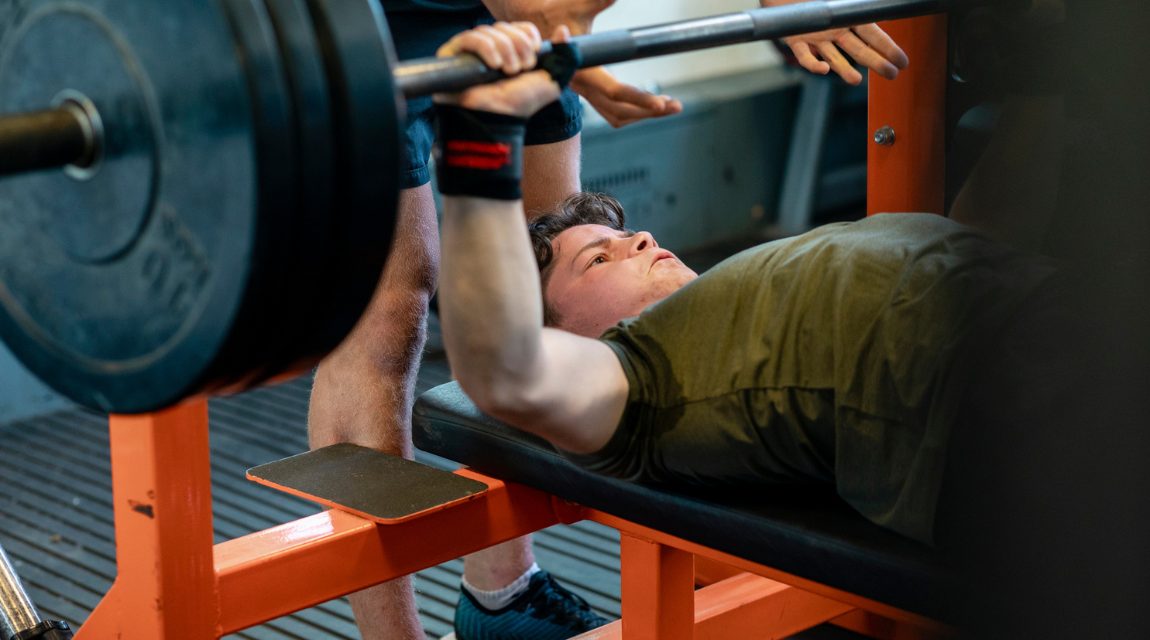
- Gymmaxxing (or Fitmaxxing): Getting into the gym vibes and increasing strength, fitness, or athletic performance
- Productivity-maxxing: Doing the most in the least amount of time, whether that’s breaking up your schedule into 30-minute increments or reading x amount of books per month or having “deep work” blocks built into everyday routines
- Couplesmaxxing: Curating date nights, quality time, and planning future events (like travel or weekend staycations) to make the most of your time together
- Moneymaxxing: Focusing on a sense of financial security by budgeting, investing, hustling for extra income, reducing debt, or building wealth
- Studymaxxing: Boosting learning through structured study routines, time management techniques, and productivity tools
- Friction-maxxing: Purposely challenging yourself to do hard things, even when they’re scary or inconvenient, in an attempt to get out of your comfort zone and build resilience
- 2026-maxxing: 2026-maxxing is a new trend focused on rejecting algorithms, minimizing screen usage, and wiping out digital footprints
Pros of Maxxing
At its best, maxxing can encourage awareness, healthy habits, and gentle self-improvement in everyday life. Many people use the term playfully to describe making small changes in certain aspects of how they live, to help them feel healthier, more confident, or productive.
When approached with thoughtfulness, maxxing can:
- Encourage healthy routines like challenging yourself to get out of your comfort zone, spending time doing things that fulfill you, or moving your body
- Help you build habits that support your physical or mental well-being
- Increase confidence as you work toward realistic, personally meaningful goals
- Create a sense of motivation or accountability
- Inspire curiosity about new hobbies, skills, or wellness practices
- Connect you with communities of people pursuing similar goals
Cons of Maxxing
Maxxing becomes a problem when, instead of helping you feel healthier or more fulfilled, it starts to feel like you’re constantly chasing an impossible standard. For example, the looksmaxxing trend among teen boys and young men can lead to unhealthy obsessions and dangerous behaviors. Research shows that looksmaxxing encourages self-harm among young men and has a negative impact on mental health.
Some potential downsides include:
- Increased anxiety, depression, or perfectionism
- Feeling like you’re never good enough, no matter how much progress you make
- Spending excessive time, money, or mental energy trying to optimize every part of your life
- Neglecting relationships, hobbies, or rest in pursuit of self-improvement
- Constant comparison with influencers, friends, or other people online
- Developing rigid habits or unhealthy behaviors around food, exercise, appearance, or productivity
- Disordered eating behaviors, or increased symptoms in people with eating disorders
The Red Flags of Maxxing for Well-Being
A maxxing trend can spark someone’s passion to make changes in a certain part of their life, but it’s essential to check in with yourself or your loved one who has jumped on the trend. Here are a few red flags to keep in mind:
- Feeling anxious or guilty if you skip part of your routine or take a break from maxxing
- Believing your worth depends on how consistently you optimize yourself
- Significant changes in behavior or self-perception, including shifts in your eating habits, sleep, relationships, or overall well-being
- Daily life revolving around optimization instead of enjoyment or balance
- Harsh self-criticism when you don’t meet your goals
- Feeling unable to stop thinking about or engaging in maxxing behaviors
If you notice yourself or your child feeling controlled by a trend, obsessively tracking your progress, or believing your self-worth depends on always improving, it might be time to rethink your relationship with maxxing. At the end of the day, changes you make should support your mental health, not focus on how you’re perceived by others.
The Reality Behind Maxxing and Mental Health
Young adults and teens have grown up in an era of constant online presence (and performance), algorithms, and hundreds of strangers with whom it’s natural to make comparisons and come up short. Over time, social media can shape a young person’s idea of attractiveness and self-worth through constant comparison.
Creating rigid systems and strategy around everyday activities in order to feel more secure in life is nothing new. The mid-2000s saw wellness culture, hustle culture, and girlboss culture. Maxxing takes those same human desires for safety and control and repackages them in a slightly different presentation. For some people, the pressure is not just about looks, but also about how they present themselves online, including language or personality.
Optimization and self-improvement sound great, but trying to improve yourself into perfection to achieve some impossible gold standard leaves no room for all the normal experiences of being human.
How to Take What’s Helpful From the Trend and Let Go of What’s Not
Maxxing can offer useful insights on areas of your life you want to pay more attention to. Try approaching maxxing with curiosity rather than pressure. Instead of expecting a trend to magically improve your life, consider what it’s teaching you about what you might need. For example:
- If you’re struggling to study or focus, you might glean some helpful insights from the study-maxxing trend about how to understand yourself and your brain.
- If you’re burned out and find yourself scrolling and binge-watching comfort shows to give yourself needed downtime, you might find empowerment in the 2026-maxxing or slowmaxxing trends, in which people reject the rapid pace of life in favor of slowing down and logging out.
- If you feel stuck or are afraid of certain situations (like your career, social events, or dating), taking a page from friction-maxxing’s book to help you practice stepping out of your comfort zone and strengthening your social skills.
- If you try the healthmaxxing trend to boost your mood and start to realize that no amount of nutrition or outside time in nature is helping your depression, you might conclude that you need professional support.
Creating rigid structures around anything in your life means that thing can start to control you and your life rather than providing freedom, meaning, and agency. To leave behind what’s unhelpful about maxxing, practice untangling yourself from the rigidity that the trends tend to inspire. If you work on letting go of the all-or-nothing thinking and stress that can come with maxxing, it’s safe to say you might get something out of it.
Treatment for Teens and Young Adults at Newport Healthcare
If you notice yourself obsessively engaging in maxxing, compulsively attempting to optimize your life, or controlled by a trend or behavior, our mental health experts can help.
Newport Healthcare offers comprehensive, whole-person mental health support for teens and young adults struggling with anxiety, perfectionism, depression, low self-worth, eating disorders, substance use, and other mental health issues that can stem from the constant pressure to perform and optimize.
Our programs combine tailored treatment, evidence-based modalities, and experienced psychiatrists and therapists, to help you or your loved one find balance, resilience, and healing. From residential treatment to outpatient telehealth, we have the right level of care to meet you where you are in your mental health journey.
To explore options, get in touch to speak with our Admissions experts—we’ll answer your questions and schedule a free mental health assessment. We’re here with you every step of the way.