A Leading Provider of Mental Health Treatment
Newport Healthcare provides industry-leading mental health treatment for children ages 7–11, teens ages 12–18, and young adults ages 18–35. We have residential treatment and outpatient locations across the country, as well as inpatient care through our PrairieCare division in Minnesota. If you’re seeking high-quality care for yourself, a loved one, or a client, get in touch today and we’ll help you find the right program.

Newport Healthcare Offers a
Full Continuum of Care
Residential
For young people who are struggling with acute mental health or substance use disorders, residential treatment provides an immersive healing environment. Our clients experience powerful positive change in a matter of weeks.
Outpatient
Our Partial Hospitalization Program (PHP) and Intensive Outpatient Program (IOP) options offer structured support for young people. Outpatient care is ideal after discharge from residential care, or when weekly therapy isn’t enough.
Inpatient
Our inpatient hospital in Minneapolis, part of our PrairieCare division, is a safe and supportive treatment program that provides 24/7 care for people 35 and younger experiencing acute mental health challenges.

Our Nationwide Network of Programs
Newport Academy
Our Newport Academy programs achieve extraordinary outcomes for children ages 7–11 and teens ages 12–18. Our individualized treatments plans support youth who are struggling with depression, anxiety, OCD, trauma/PTSD, eating disorders, substance use, and other diagnoses.
Newport Institute
Newport Institute’s programming helps bring young adults from self-destruction to self-esteem and hope for the future. We treat young adults ages 18–35, supporting them to find healthy coping skills and long-term healing from a wide range of mental health and substance use disorders.
Center for Families
With three locations in Pennsylvania, our Center for Families (CFF) division provides outpatient care for adolescents ages 13–18, including Partial Hospitalization and Intensive Outpatient Programs. CFF treats depression, anxiety, trauma-related symptoms, substance use, and disordered eating.
PrairieCare
Our PrairieCare division in Minnesota provides people of all ages with a full range of mental health support—from inpatient hospitalization and residential care to outpatient programming and clinic services, including TMS sessions for treatment-resistant depression.
High-Quality, Affordable Care Covered by Insurance
Newport works with an extensive network of insurance providers both in and out of network to make care more accessible and affordable. Our admissions team is here to guide you through your insurance policy to ensure you maximize your benefits. Here are some of the insurance providers we work with:






Learn more about paying for care.
Healing is closer than you think
Our Nationwide Locations
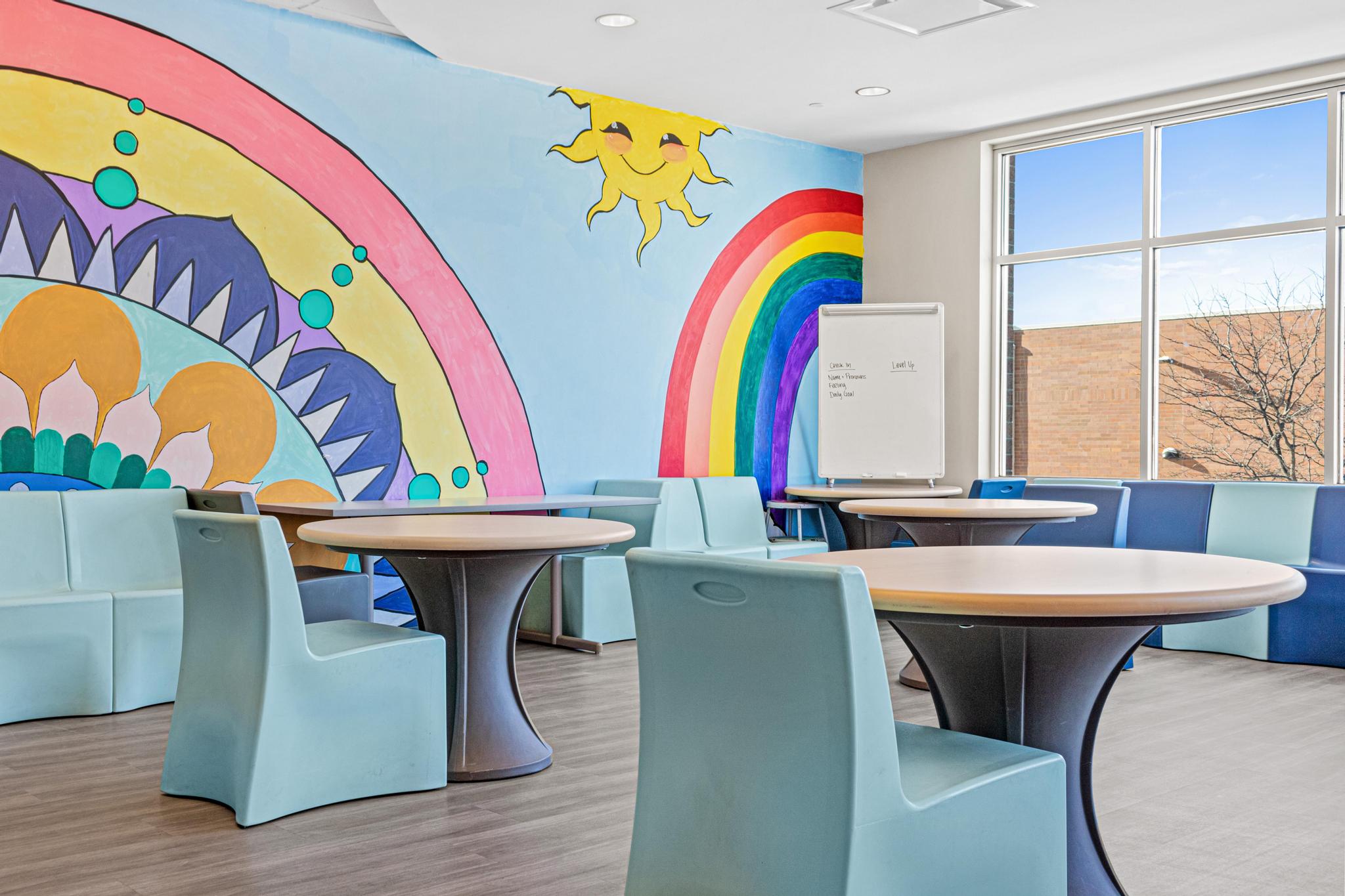
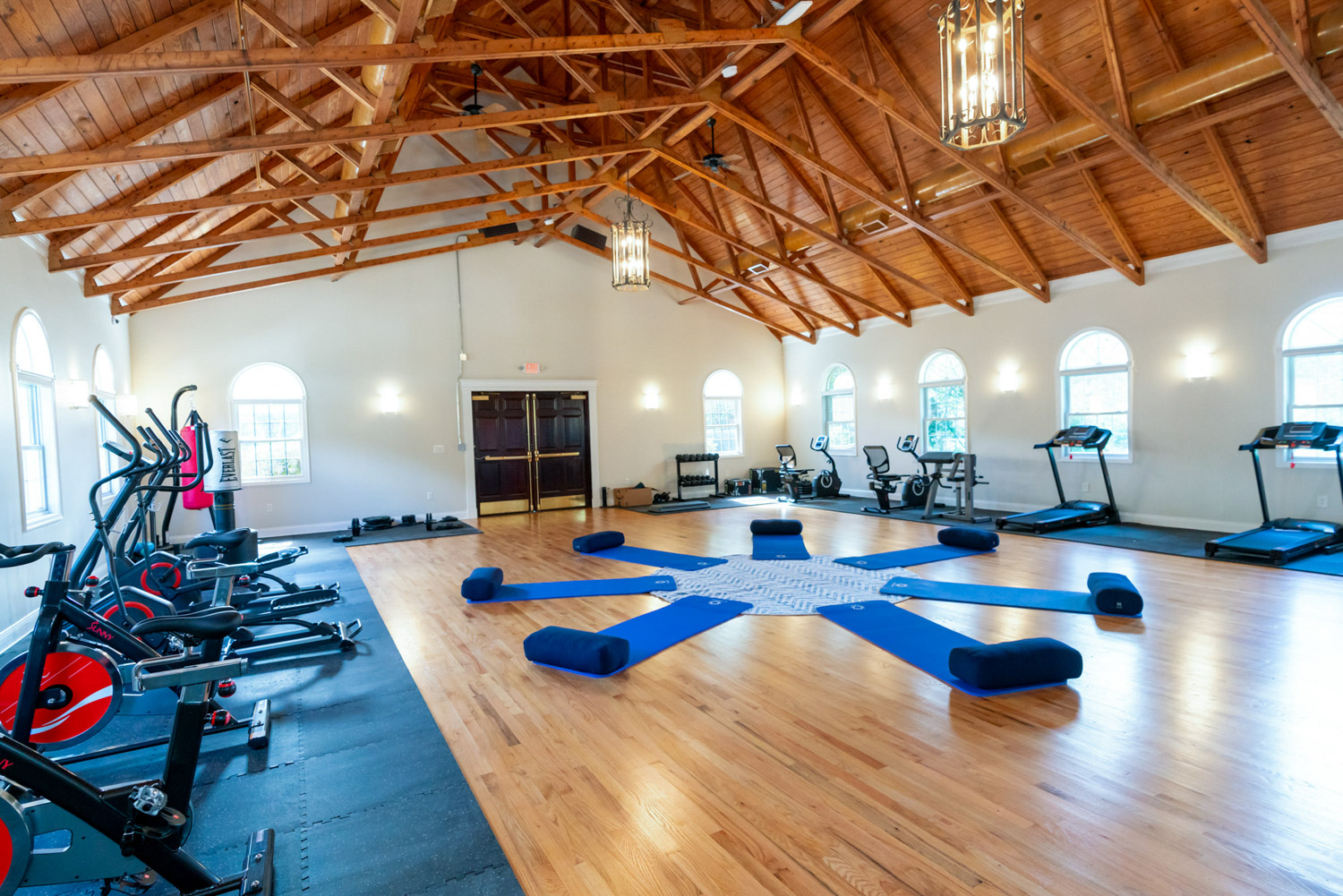
Our Newport Healthcare locations across the United States, including both residential and outpatient treatment centers, offer comfort and natural beauty to cultivate transformation and healing from mental health and co-occurring disorders.











View Our Outcomes
Visit our interactive page to see how our comprehensive treatment model creates transformative, lasting results for adolescents and young adults in both residential and outpatient care.

Life-Changing Results for Children, Teens, and Young Adults
Our ongoing outcomes research, validated by a third-party academic institution, shows that Newport treatment leads to remarkable improvements in clients’ depressive and anxiety symptoms, well-being, suicide risk, traumatic distress, and family attachment. The Newport experience is truly transformative.

50%
Reduction in the number of patients experiencing suicidal thoughts, in just a few weeks
200%
Increases in well-being indicators, such as feeling cheerful and relaxed
99%
of our referring professionals report that they will refer to Newport again
What We Treat
We are dedicated to helping teens and young adults heal and thrive, by providing comprehensive treatment programs that emphasize connection, inspiration, and support systems. We specialize in treating the following mental health disorders:
Depression
The extreme sadness and despair that accompanies depression threatens a young person’s safety and well-being as well as their daily functioning. The emotional pain can lead to substance use, self-harm, eating disorders, and thoughts of suicide. Our treatment program helps uncover the root cause of the depression in order to sustain long-term healing.
Anxiety
Living with anxiety can hold you back from being the person you’re meant to be. It can impact every aspect of your life, from your capacity to handle school, work, and relationships. But it doesn’t have to. Anxiety is highly treatable with the right care.
PTSD/Trauma
Post-traumatic stress disorder (PTSD) is a serious psychological disorder that develops in some people who have been through or witnessed a traumatic event, such as a serious car accident, natural disaster, or physical or sexual abuse. Treatment helps alleviate the distressing symptoms, such as flashbacks, nightmares, anxiety, and emotional numbness. Improving overall quality of life.
Obsessive-Compulsive Disorder (OCD)
Obsessive-Compulsive Disorder (OCD) is characterized by unwanted thoughts and fears that drive a person to do compulsive acts in order to ease the stress. Our OCD-specific treatment program helps young people manage OCD symptoms reclaim their lives.
Eating Disorders
Eating disorders affect a young person’s physical and mental health. Symptoms such as extreme weight loss, changes in appearance, and physical exhaustion are dangerous and need immediate treatment. We treat primary mental health and secondary eating disorders in teens and young adults.
Bipolar Disorder
Bipolar disorder is a condition characterized by severe mood swings that fluctuate between extreme highs, known as mania, to extreme lows, or depression. While the disorder is a lifelong condition, treatment can help people manage symptoms.
Borderline Personality Disorder (BPD)
Borderline Personality Disorder (BPD) is characterized by intense emotional instability, impulsive behaviors, and difficulties in interpersonal relationships. Treatment, including dialectical behavior therapy (DBT), can help individuals develop coping strategies and emotional regulation skills.
Substance Use Disorder
Substance use disorder in teens and young adults negatively affects every area of their life. Over time, recreational substance use can lead to severe addictions that threaten young people’s mental and physical health, relationships, and finances. With treatment, young people can achieve long-term recovery and build a brighter future.
Alcohol Use Disorder
Social drinking and partying can lead to severe alcohol addiction, which can threaten every area of a teen or young adult’s life. Our treatment program addresses the root cause, helping young people process past trauma, build resilience and self-worth, and develop healthy coping skills.
Psychosis
People with psychosis have a disconnection from reality, which can manifest as hallucinations and delusions. Individuals may have difficulty distinguishing between what is real and what is not, leading to significant distress and impairment in daily functioning. Comprehensive treatment can support recovery and improve overall well-being.
Our impact
Personal experiences from our alumni and families

I miss Newport all the time—it even makes me emotional. The staff were life changing and truly believed in me. I read my goodbye letters whenever I need motivation to keep going. Newport genuinely saved my life

Laila
Y
The staff didn’t learn my case file, they got to know me—my interests, hopes, dreams, adventures, quirks, jokes, and how much of me was being consumed by my OCD. My clinical team, Care Coordinators, and peers became my Newport family, and it was in my relations with them that I found the strength to start decoupling myself from my OCD.

Andrew
K
The first few weeks were so hard! Eventually, my daughter made it through the first few stages of the program. Family therapy got better and easier. I saw a smile and laughter on her face that I hadn’t seen in months. It was then that I knew change was taking place—I could see it all over her face!

Charity
N
My daughter put in a lot of work every day and it started to show. Not only how she talked, but how she interacted in conversation. She was excited to use the tools she had learned through her therapy and interactions with other kids. Her humor made a comeback as well. I cherished every moment I saw her smiling again!

Joey
P
After being at Newport for only a few days and seeing what groups were like and who my support team was, I knew I was in the right place. I never knew how much I needed to learn, and I will be forever grateful to Newport for starting me on this path.

Chelsea
W
Participating in everyday life at Newport brought me the ability to manage my time more efficiently and provide a more consistent routine that supports me in recovery. Newport has opened up so many doors in my life, and I am forever grateful.

David
V.
The compassion from others is what helped me know I made the right decision to continue to put myself first and heal. The staff at Newport Institute truly care and supported me through the entire experience.

Shannon
S
Getting sober and healthy has brought me back up to speed and my memory is back. I treasure it now, all of the moments I thought once lost to time. The memories of the life I lived are now accessible to me again.

John
F
What makes Newport Healthcare special
Hear from our clinical experts, alumni, and their families.
Take a Mental Health Quiz
If you or a loved one is experiencing emotional or physical symptoms that might indicate a mental health condition, take one of our quizzes to get recommendations and next steps.
Common Treatment Questions
Behavioral health treatment is very effective for helping teens and young adults uncover the root cause of their mental health issues and gain the tools they need to manage symptoms and thrive in life again.
Teen therapy typically takes place on a weekly basis. For residential treatment, teens live on site and take part in a structured schedule that includes clinical and experiential therapies as well as an educational component. Outpatient treatment offers flexible daily schedule that allows patients to return home in the evening.
At Newport Healthcare, our gender-responsive mental health centers treat children, teens, and young adults according to their gender identity, recognizing them as their authentic selves.
Seeking treatment can help your child process unresolved trauma and develop the tools they need to learn emotion regulation, build healthy relationships, set boundaries, and improve self-worth.
For teens and young adults who need drug rehab, the most effective programs offer treatment for both substance use disorder and mental health conditions. Drug rehab should address underlying causes of substance use, such as depression, anxiety, OCD, or other mental health issues. In addition, drug rehab for teens should include a family component, to strengthen communication and restore trust between teens and their parents.
You can expect a supportive and confidential environment with an experienced mental health professional. They will ask questions, have you complete questionnaires, and possibly make behavioral observations to gather information about your or your loved one’s mental health, symptoms, and overall functioning. The evaluation helps determine a diagnosis and informs a treatment plan.
Newport works with several major insurance providers to optimize care, including Optum, Blue Cross Blue Shield, Kaiser Permanente, TRICARE, and more.
Evidence-based therapies including Cognitive Behavioral Therapy, Dialectical Behavior Therapy, and EMDR provide a comprehensive approach to addressing the diverse mental health needs of adolescents, providing the tools to process trauma, build resilience, and improve emotional well-being.
Newport Healthcare is LegitScript certified, demonstrating adherence to rigorous standards in licensing, HIPAA compliance, staff qualifications, and ethical marketing practices. Additionally, it has earned The Joint Commission’s Gold Seal of Approval, reflecting exceptional quality, safety, and effectiveness of care through regular, comprehensive evaluations.
Our Accreditations & Affiliations
Newport holds the Gold Seal of Approval® from The Joint Commission, the nation’s oldest and largest healthcare accrediting body, and is affiliated with a wide range of national organizations and certification bodies.