

The phrase “Stop and smell the roses,” couldn’t be more applicable to a pet. They don’t have the endless obligations people have during the stressful and often frantic month of December. But maybe that’s the whole point. Dogs, cats, and other animals we share our homes with have a unique perspective that may teach us a thing or two about taking a step back to appreciate life as a whole.
Maybe you’ve been there. Pacing in frustration as your dog takes time to go number two before work. Instead of going potty, they plop in the grass or frolic in the falling snow. Rather than overreacting, we can carry this guidance into the holiday season: to slow down and appreciate the small things.
It’s no secret that we love our pets, so maybe it’s time for us all to lean into this bond to discover new approaches to our days. Read on to learn about the heartwarming lessons pets can teach us for navigating the holiday season.
The Mental Health Benefits of Pets
In a poll published just this year by the American Psychological Association, 84 percent of pet owners say that their pets have mostly had a positive effect on their mental health. The biggest benefits pet owners reported were companionship, a true friend, and unconditional love and support. With loneliness now considered a public health epidemic in the US, it’s understandable why so many people find living alongside their animal companions helpful to their health.
Outside of pet dogs, service dogs have shown tremendous benefits to veterans with post-traumatic stress disorder (PTSD). In a study conducted by the University of Arizona, veterans who were paired with psychiatric service dogs had a lower severity of PTSD symptoms, anxiety, and depression after three months. For many people, the bond they share with their dog can be life saving.
Researchers continue to find mental health benefits of animals in our daily lives, especially as a stress-coping tool. It could be time to turn to your pet as a source of inspiration for your mental wellness journey. If you look closely enough, they may become the secret mentor you never knew you needed.
10 Lessons We Can Learn From Our Pets
Our pets may be the true gift that’s already in our homes. Let’s dig into a few of their many lessons and let them take the lead in our mindset this holiday season.

Dogs don’t sleep 12 hours a day because they’re lazy, it’s just what their body needs, and you should listen to your body, too.
Winter days bring shorter daylight hours and high expectations of attending events, making it difficult to get adequate sleep. And that can be a problem for your mental health: Studies show that not sleeping enough directly affects the brain, making it difficult to solve problems, make decisions, control your behavior, and cope with change.
Strive for a schedule that allows you to maintain about 7 to 8 hours of sleep; if you need to, take a nap. Your pets will be overjoyed that you’re participating in their favorite activity and will be ready to snuggle in with you.
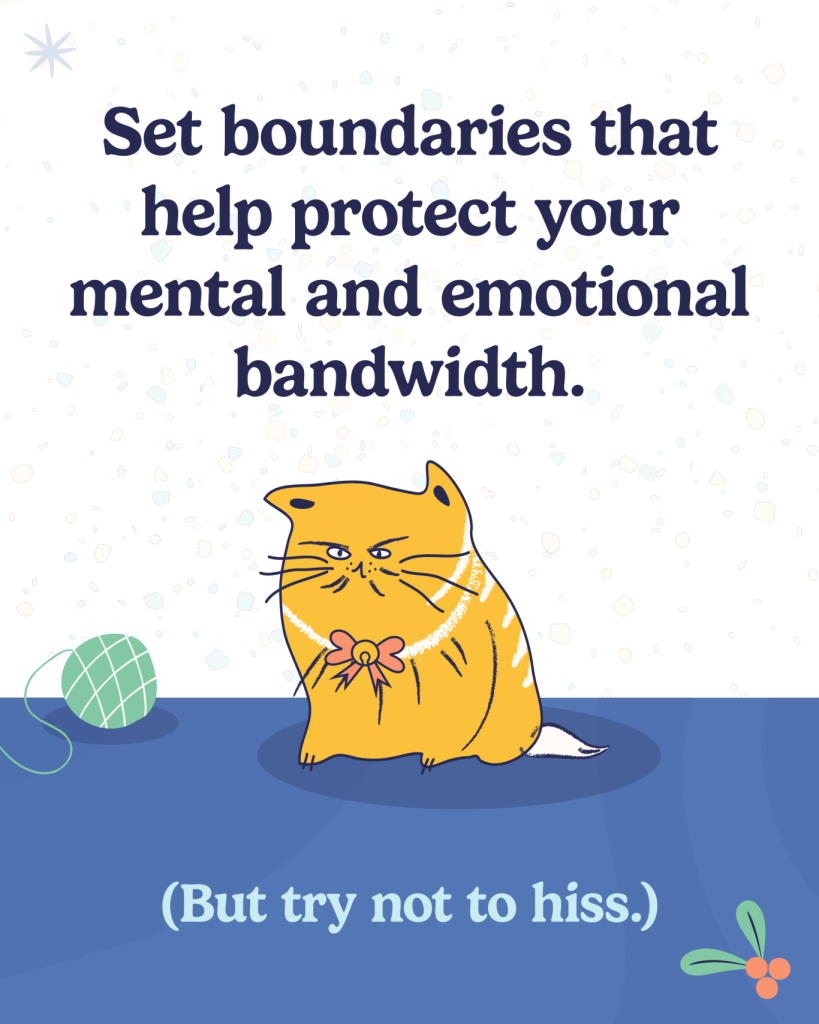
Maybe your cat doesn’t have an attitude; they could just be setting boundaries, but don’t have the ability to communicate them. Talking and agreeing on boundaries with people close to you can help you avoid conflict and prevent harm in important relationships. Plus, setting boundaries helps refocus your energy on personal needs, such as attending therapy or practicing mindfulness.
So, instead of intimidating people in your life with a sassy attitude or airplane ears, have a conversation sooner rather than later about what you’re comfortable doing.
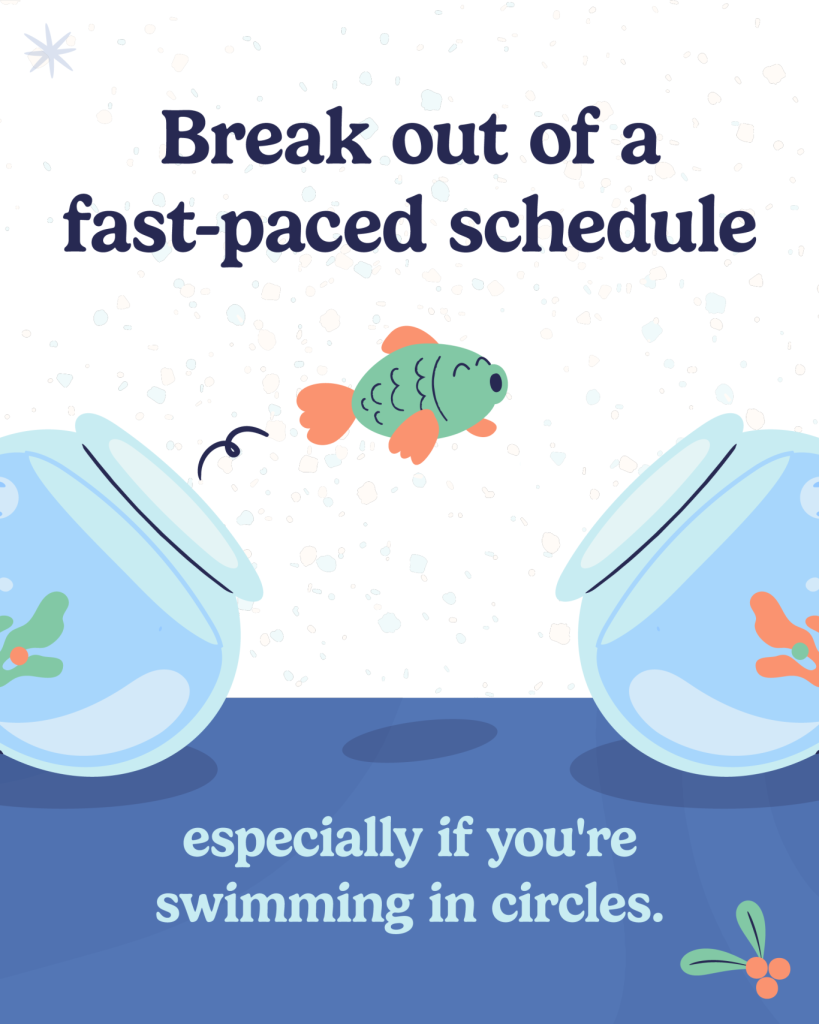
Living in a small tank can make fish swim in endless circles, leading to unwanted stress. Swimming in out-of-control schedules can feel like being trapped in a fish tank. With the busyness of the holidays, the wave of stress can come sooner than expected.
If you feel stuck, it’s time to break out and reevaluate what’s best for you. Learn that it’s okay to go against the flow and say “no” when necessary before you start spiraling.
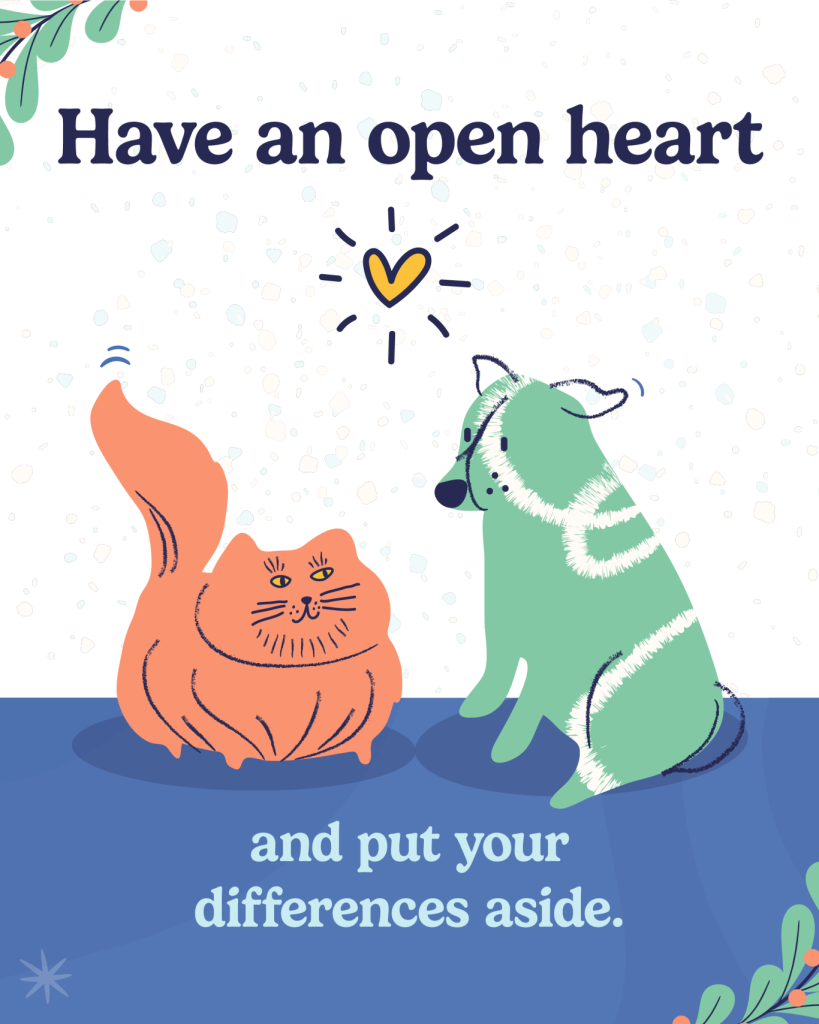
Sometimes you develop a rivalry with people, but then you don’t even understand how it started—just like the all-too-familiar cat and dog relationship. But during the holidays, putting your differences aside and being honest with each other can have huge benefits.
One study shows that discussions between people with differing opinions can be powerful, even if it’s a tricky topic such as politics. Try approaching relationships with curiosity rather than combat; you’ll be surprised how many interactions will result in collaboration rather than a catfight.

Although humans aren’t cold-blooded, basking in the sun is a thermoregulatory behavior that also comforts our nervous systems. Yet, more than 2 in 5 adults in the United States are vitamin D deficient. Introducing vitamin D can jump-start your body’s energy and increase immune health, recommends Dr. Stein in his blog post on beating the winter blues.
Heat lamps, light box therapy, or even catching the glow of a person you love can fill your physical and mental cup for the season to keep you moving forward.

Your dog doesn’t care what your bank account looks like; they cherish the company, not the money. Financial concerns are the largest source of stress for people during the holiday season, with a significant focus on buying the best gifts for your loved ones. Gifts come and go, but memories of time spent together last forever.
Regardless of your income level, channel your inner golden retriever energy and seek out connections with your loved ones. Make an effort to limit screen time and be present, such as sharing a meal or playing a board game you already own. Although your friends and family may not wag their tails, they will highly value your focus when life feels like a flurry.
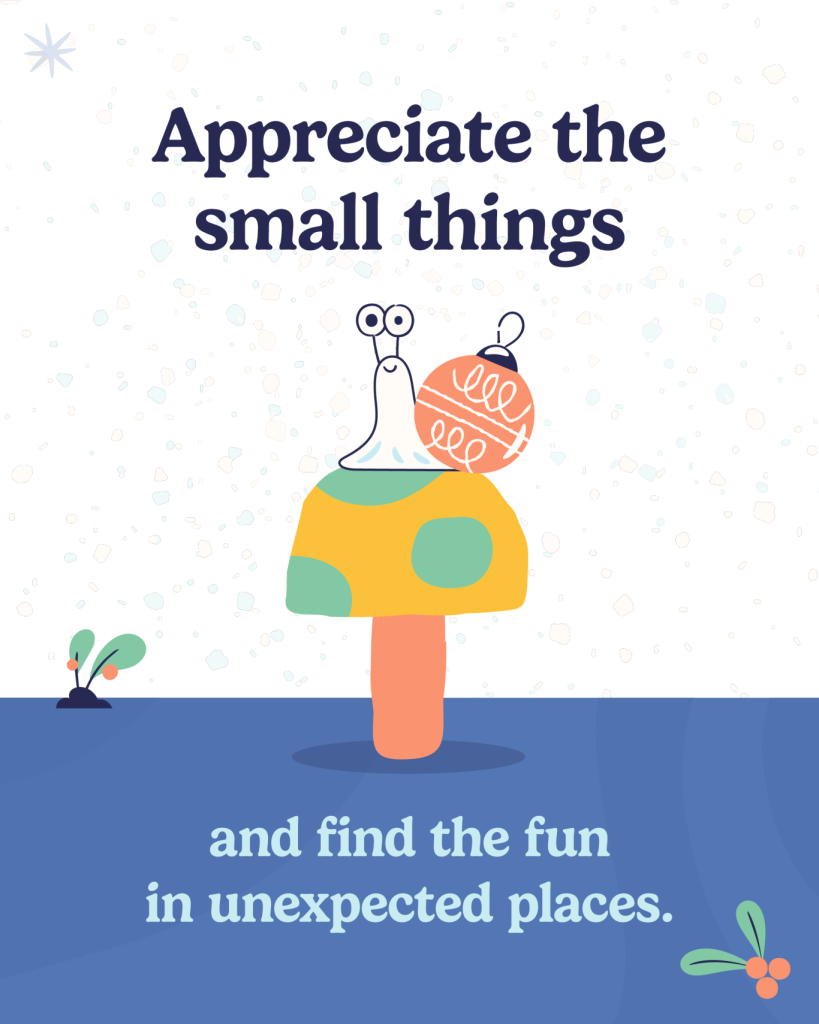
Just like cats, who prefer to play with a discarded ribbon rather than the actual gift, fun, awe, and joy can surround us if even if we aren’t looking for it. Sometimes, the greatest memories we create during the holidays come from the small, surprising things, such as taking a family walk or noticing a beautiful sunset on a winter night.
Try shifting your mindset from worry to wonder when you can. The holiday season may not go to plan, but acknowledging small acts of kindness, effort, and connection can go a long way.

Dogs follow their nose, which can lead to great rewards, like a lost chew toy or a dropped piece of kibble. During a time of high expectations, listening to your body and treating it kindly is vital. If you notice yourself getting snappy with holiday guests you typically enjoy being around, for example, it may be time to take a cat nap or a breather outside.
This awareness can lead to caring for yourself in the moment rather than piling up a list of mental health needs that it’s hard to dig out of once the season ends.

A pesky fly can be a relentless annoyance for a pig or a horse. After a while, an ear flick can turn into a kick, just like how our emotions can build into actions that are more aggressive than we intended them to be. If the vibe is persistently off in a relationship or environment, it may be time to shake it off by avoiding or minimizing time in these spaces.
Allow your mind to guide your actions rather than your pent-up emotions. But if you need some physical activity, get some frustration out in a kickboxing class or go on a brisk walk to cool these heated feelings.

Birds chirp for various reasons, including expressing happiness or when they’re in danger. Without this communication, groups of birds and humans alike could not support each other in times of need. Especially for people with mental health challenges, it’s vital to build a support system that can be a reliable form of help when you need it.
On the flip side, if someone close to you seems off, make sure you reach out to them. Like songbirds you hear every morning, build a routine of chatting with your loved ones to see how they’re doing—but maybe not before the sun rises.
Signs a Teen or Young Adult May Need Additional Support During the Holidays
Many people find pets offer the comfort they need, but a mental health professional can be another source of nonjudgmental support. Plus, a professional can help you find evidence-based approaches for coping now and for the rest of your life. Especially during the holidays, when stress points can trigger mental health issues, it’s essential to reflect on how you’re feeling and get additional support if you or someone close to you have been feeling off.
In fact, it’s an excellent time for parents/caretakers to observe their child’s behavior during winter break without the distraction of a school schedule. College breaks also offer an opportunity to see how your young adult is doing, and determine whether treatment during the holidays could be beneficial.
Worrisome mental health signs can include:
- Sleeping very late in the morning
- Staying plugged in for hours at a time—watching television, playing video games, scrolling social media
- Showing lack of motivation or enthusiasm for friends and activities they used to enjoy
- Neglecting self-care, such as showers, exercise, etc.
- Being defensive when asked questions, resisting requests
- Acting agitated, sullen, or defiant
- Exhibiting extreme mood swings
- Exhaustion, fatigue
- Unexplained aches, pains, or stomach issues
- Changes in appetite or weight
If you notice any of these signs, the best thing you can do is reach out for help from a professional. There’s no reason to wait; we know your furry friend would want you to get started today. Find out about Newport Healthcare’s programs for ages 7–11, 12–18, and 18–24.