
As we mark BIPOC Mental Health Month, we asked our experts to recommend resources to support clinicians as well as anyone interested in learning more about the lived experience of BIPOC populations. This curated list aims to break stigma, build understanding, and support equitable care.
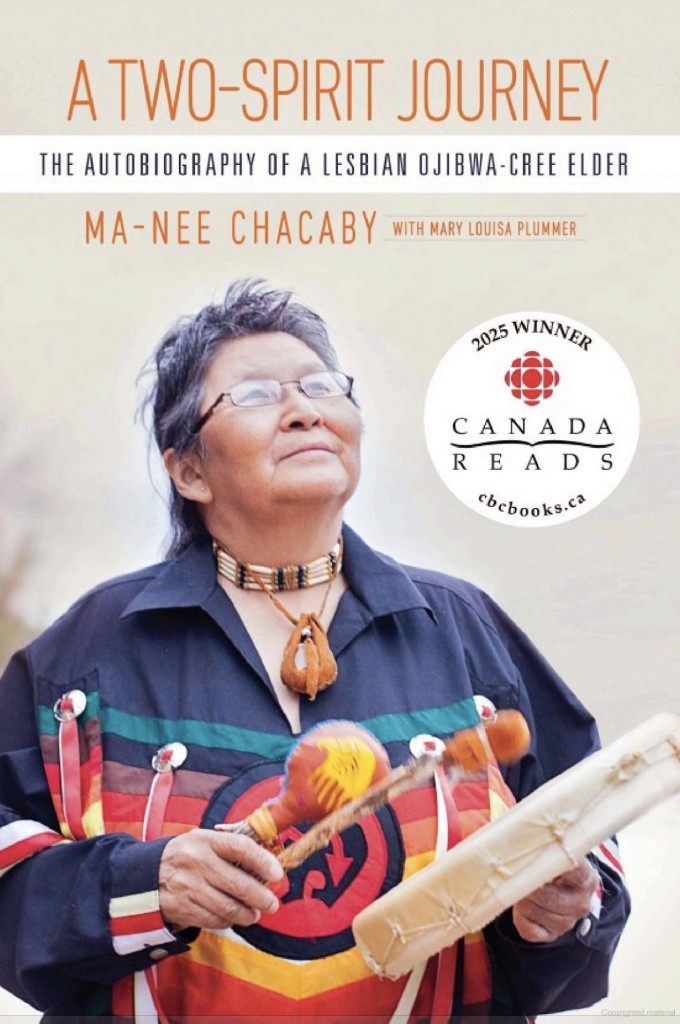
Read: A Two-Spirit Journey: The Autobiography of a Lesbian Ojibwa-Cree Elder
By Ma-Nee Chacaby; recommended by Tahnahga Yako Myers, BCC, Chaplain, Cultural Liaison
Indigenous peoples around the world and our allies often reflect on the many challenges that continue to confront us; the reasons behind health, economic, and social disparities; and the best ways forward to a healthy future. This book draws on theoretical, conceptual, and evidence-based scholarship, as well as interviews with scholars immersed in Indigenous well-being, to examine contemporary issues for Native Americans. In recent decades, there has been increasing attention on how trauma, both historical and contemporary, shapes the lives of Native Americans. Indigenous scholars urge recognition of historical trauma as a framework for understanding contemporary health and social disparities.
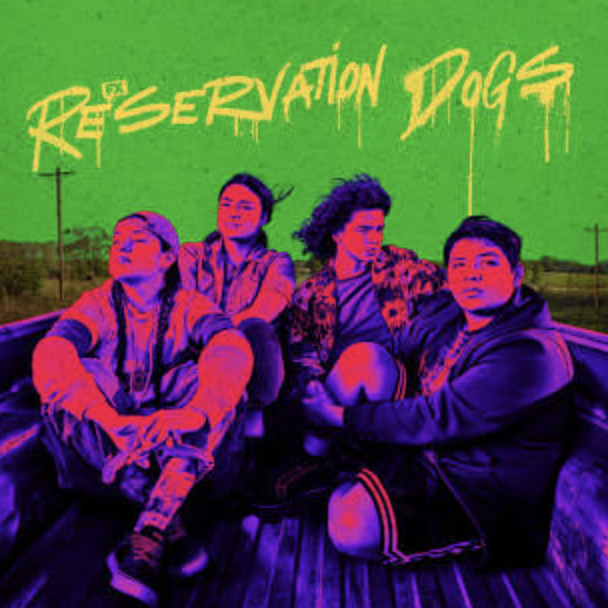
Watch: Reservation Dogs
Created by Sterlin Harjo and Taika Waititi; recommended by Tiffany Young, PMHNP-BC, APRN, Psychiatric Mental Health Nurse Practitioner
This show follows a group of young Indigenous adults coping with the loss of their friend who died by suicide. Indigenous representation is so few and far between. This show did an amazing job introducing viewers to the culture. One of the most powerful episodes addresses the abuse and horrors suffered by those forced to assimilate into boarding schools. I am Lakota and was fortunate to attend the College of Menominee Nation as my first college after high school. They required us to take indigenous studies as part of our general education curriculum, so I already had a strong foundation regarding indigenous history in the USA. Reservation Dogs is a great show to introduce the greater population to the struggles endured past and present.
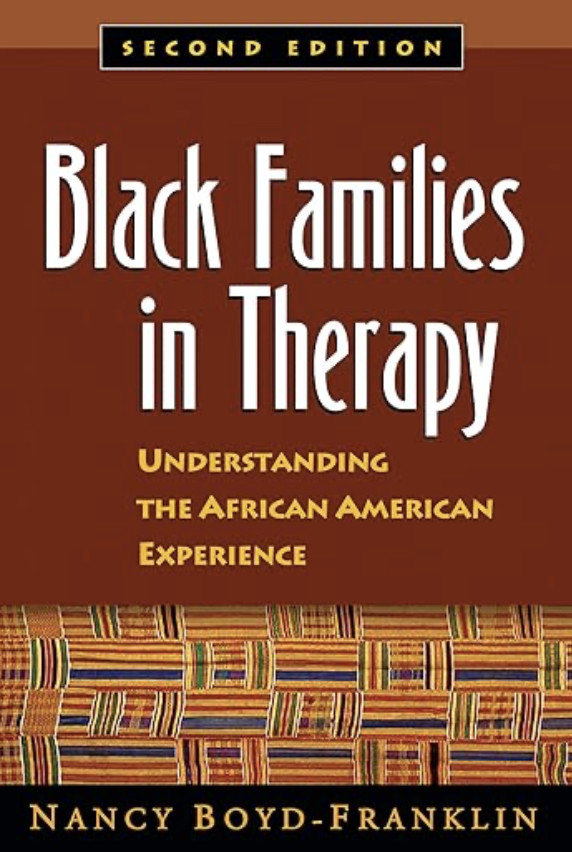
Read: Black Families in Therapy: Understanding the African American Experience
By Nancy Boyd-Franklin; recommended by Samantha Quigneaux, LMFT, National Director of Family Therapy Services
This book by a distinguished clinical psychologist and family therapist is considered a classic text that helps professionals and students learn how to address cultural and racial issues in therapy with Black clients. It provides guidance for therapists on understanding and addressing the unique cultural and racial dynamics that influence therapy with African American families, including adapting existing therapeutic concepts and models to make them more relevant and effective for this population. Boyd-Franklin discusses how family therapy involves restructuring the family system to facilitate healthy power dynamics, which is a very similar to the family systems approach used at Newport Healthcare. Although the world has changed in many ways since this book was published in 2006, it includes fundamental approaches that continue to be relevant.

Read: American Indian and Alaska Native Children and Mental Health: Development, Context, Prevention, and Treatment (Child Psychology and Mental Health)
Edited by Paul Spicer, Patricia Farrell, Michelle C. Sarche, and Hiram E. Fitzgerald; recommended by Cheri Mlejnek, Advanced Clinical Outreach Specialist, Alaska
This book examines the impact of historical trauma, socioeconomic factors, cultural context, and public policies on the psychological development and well-being of this group of children. Experts from leading universities discuss factors such as family conditions, economic status, and academic achievement, as well as political, social, national, and global influences, including racism. The book also highlights the importance of culturally sensitive approaches to prevention and treatment, emphasizing the need for community-based, family-driven systems of care.

Listen: On Purpose, with Jay Shetty
Recommended by Amenet Judah, MHA, Clinical Outreach Specialist, Maryland and Washington DC
I love listening to Jay. He has such a calming presence and interview style. He also provides an uplifting, grounding, and encouraging platform that focuses on mindfulness. Jay is of Indian descent and features interviews with diverse guests, but the podcast isn’t specifically focused on BIPOC issues—it covers universal themes of personal growth, mental well-being, and finding purpose.
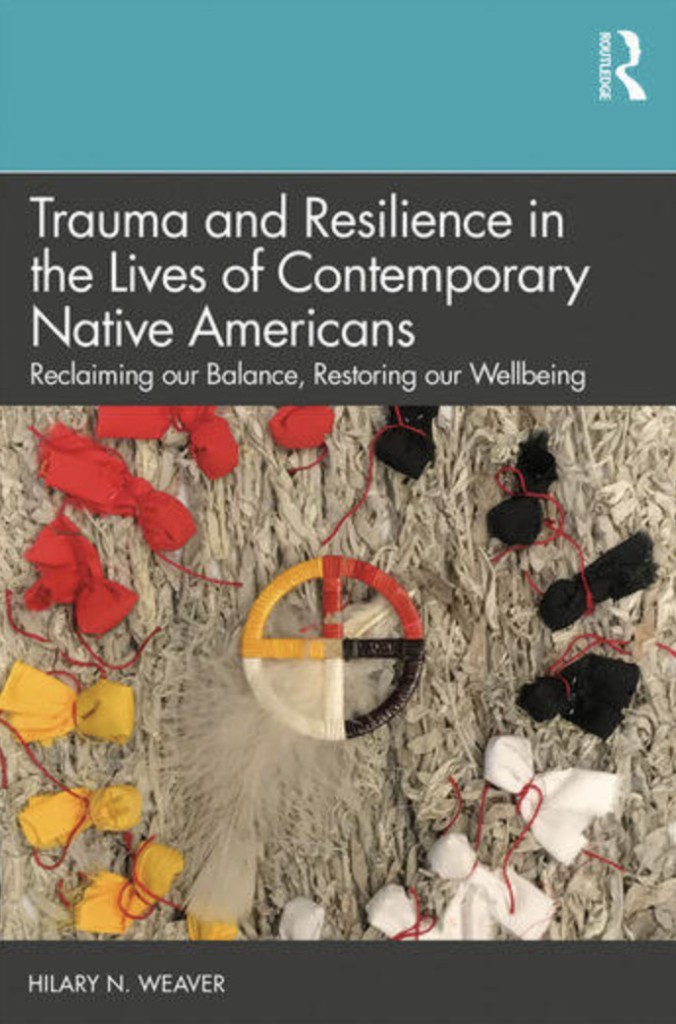
Read: Trauma and Resilience in the Lives of Contemporary Native Americans: Reclaiming our Balance, Restoring our Wellbeing
By Hilary N. Weaver; recommended by Robert Doore, MBA, National Tribal Relations Specialist
Indigenous peoples around the world and our allies often reflect on the many challenges that continue to confront us; the reasons behind health, economic, and social disparities; and the best ways forward to a healthy future. This book draws on theoretical, conceptual, and evidence-based scholarship, as well as interviews with scholars immersed in Indigenous well-being, to examine contemporary issues for Native Americans. In recent decades, there has been increasing attention on how trauma, both historical and contemporary, shapes the lives of Native Americans. Indigenous scholars urge recognition of historical trauma as a framework for understanding contemporary health and social disparities.