
A Q&A with The Trevor Project’s Ronita Nath, PhD, and Newport Healthcare’s Michael Roeske, PsyD
LGBTQ+ youth are more likely to have mental health conditions than their straight, cisgender peers, due to the increased level of discrimination and rejection they face. This group reports higher rates of verbal or physical bullying, invalidation by society, and/or lack of acceptance from family.
Consequently, when working with LGBTQ+ adolescents and young adults, it’s essential that mental health professionals provide culturally competent care—that is, care that recognizes and respects their experiences, values, and histories.
What does cultural competence—also known as cultural humility—look like for LGBTQ+ youth in the context of mental healthcare? We spoke with two experts in the field: Ronita Nath, PhD, Vice President of Research for The Trevor Project, and Michael Roeske, PsyD, Senior Director of the Newport Healthcare Center for Research and Innovation.
What are some of the most important awarenesses for mental health professionals working with LGBTQ+ teens and young adults?
Dr. Nath: Firstly, LGBTQ+ youth are not a monolith. As a general rule, it’s important for professionals to treat each LGBTQ+ young person as an individual, just like anyone else. While many LGBTQ+ youth report shared experiences, there are myriad factors in a specific young person’s life that impact their mental health. Thus, it’s critical that professionals avoid pursuing a one-size-fits-all approach for supporting LGBTQ+ youth. Each young person has their own complexities, values, and lived experiences.
Dr. Roeske: I second that. Clinicians should not make assumptions about a client’s experience or needs. LGBTQ+ young people often arrive at Newport with difficult histories that intersect with their identities—like minority stress, including experiences of invalidation, rejection, or discrimination. They are also likely to have two or more co-occurring diagnoses. In addition, there are unique developmental tasks that LGBTQ+ youth face, such as identity integration and navigating disclosure.
It’s critical that professionals avoid pursuing a one-size-fits-all approach for supporting LGBTQ+ youth. Each young person has their own complexities, values, and lived experiences.
Ronita Nath, PhD, Vice President of Research for The Trevor Project
What are some concrete ways that mental healthcare providers and treatment programs can create an LGBTQ+-affirming environment?
Dr. Nath: The Trevor Project’s latest national survey asked thousands of LGBTQ+ youth how the people in their life can best show their support and acceptance. A few of the most-reported answers relevant to mental health professionals include:
- Trust that I know who I am
- Stand up for me
- Show support for how I express my gender
- Ask questions about LGBTQ+ identities to better understand
- Respect my pronouns
- Have or display pride flags
Dr. Roeske: At Newport, we take a whole-person, trauma-informed approach with all patients, addressing each aspect of their unique profile. For LGBTQ+ patients, this might also include specialized approaches, such as inclusive and affirming intake practices, as well as offering LGBTQ+ peer connection.
Through our assessment platforms, we’re able to track treatment results for LGBTQ+ youth. This group, on average, comes to Newport with more acute depression, anxiety, and trauma, and experiences significant reductions in symptoms and improvements in well-being as a result of treatment.
For professionals working with clients under 18, how important is it to involve family in the therapeutic process, and why?
Dr. Nath: LGBTQ+ youth are best positioned to thrive when they can openly and honestly discuss their mental health with their families and friends, in addition to their mental healthcare providers. Having a supportive family is often instrumental in ensuring a young person’s well-being.
That said, The Trevor Project’s research found that, sadly, only 40 percent of LGBTQ+ young people reported that their home was an affirming environment. In some cases, young people may need help navigating relationships with unsupportive family members. That is where mental healthcare providers can come in to offer individualized guidance and support based on the unique needs of the young person.
Dr. Roeske: At Newport, Attachment-Based Family Therapy (ABFT) is a vital aspect of all clients’ treatment plans, and it can be particularly helpful in repairing relational ruptures between LGBTQ+ youth and their caregivers. ABFT provides a structured, empirically supported framework for helping family members listen and respond to one another, and ultimately move toward better relationships, even when initial resistance exists.
The model repositions the goals of family therapy away from symptom reduction and toward relational repair. Sessions focus on creating emotionally honest conversations that allow youth to express their emotions and experiences, while clinicians guide caregivers toward greater empathy and understanding. ABFT can help reduce conflict and rebuild trust, which can be especially critical for LGBTQ+ youth who are navigating challenging home environments.
Attachment-Based Family Therapy, a vital aspect of treatment at Newport, can help reduce conflict and rebuild trust, which can be especially critical for LGBTQ+ youth who are navigating challenging home environments.
Michael Roeske, PsyD, Senior Director of the Newport Healthcare Center for Research and Innovation
What are some of the most impactful ways for professionals to educate themselves about how best to provide care for this population (specific trainings, books, etc.)?
Dr. Nath: The Trevor Project has a variety of resources available on our website that are informative for mental health professionals as well as any adult or ally looking to support LGBTQ+ youth. Our renowned Public Training team also offers our “LGBTQ+ Ally Training” to equip professionals with the cultural competency, knowledge, and approaches needed to effectively support LGBTQ+ young people.
Dr. Roeske: The Trevor Project has provided valuable training to hundreds of Newport staff over the past several years. We also recommend that clinicians explore additional resources, such as The Affirmative Couch and the Family Acceptance Project, which offer training on culturally competent care and family dynamics.
We know that up to 50 percent of LGBTQ youth who want mental healthcare don’t access services. By educating ourselves so we can work effectively and compassionately with this group of young people, clinicians help to create an environment in which they feel safe to reach out for help and be understood, embraced, and supported.
About the Experts
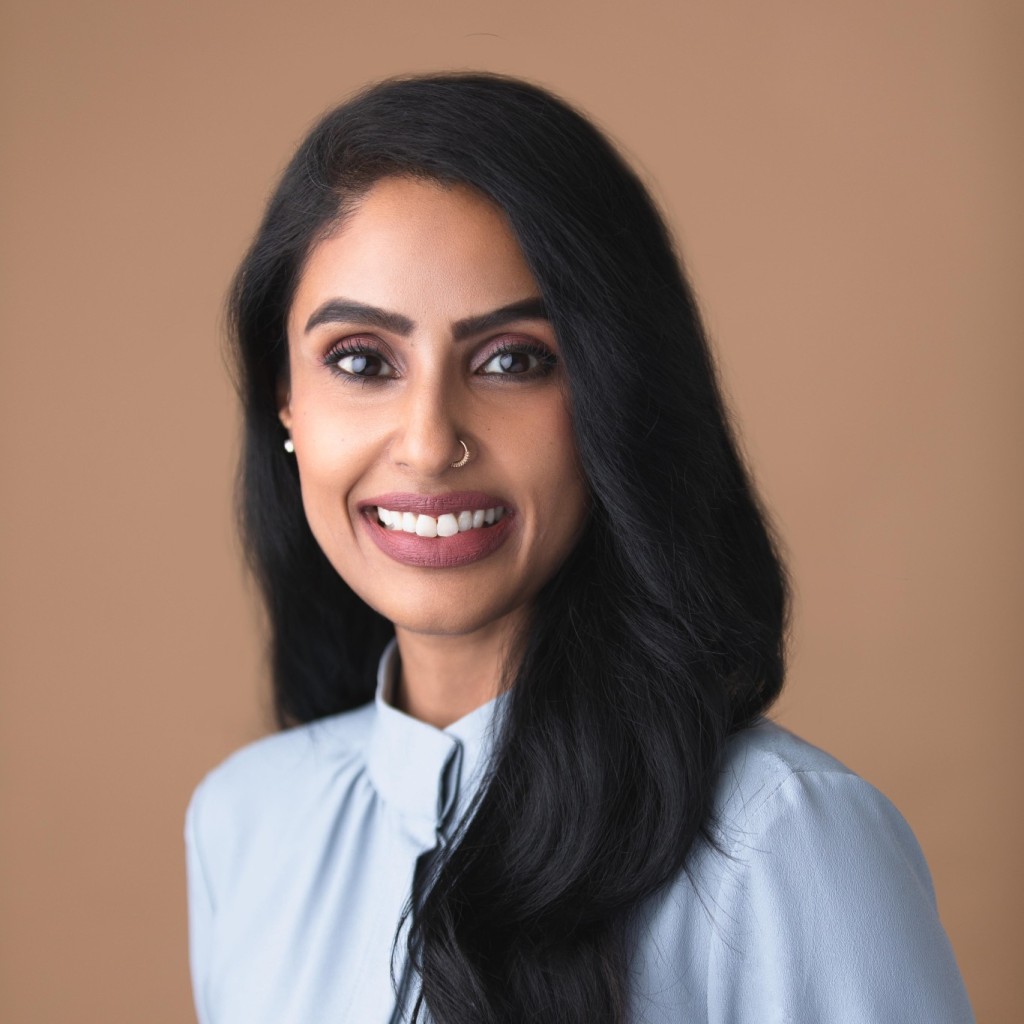
Dr. Ronita Nath (she/her), PhD, Vice President of Research, The Trevor Project
Dr. Nath’s background is in research methodology, adolescent health, LGBTQ health, and sexually transmitted infections. She came to The Trevor Project from the University of British Columbia where she was the Managing Director of the Stigma and Resilience Among Vulnerable Youth Centre. At the Centre, she led a team of researchers to implement provincial, national, and international research initiatives focused on understanding how stigma, violence, and trauma affect the health and risk behaviors of LGBTQ youth, and how protective factors foster resilience. Prior to her work at UBC, Ronita was a James Kreppner CTN Postdoctoral Fellow at the British Columbia Centre for Disease Control.

Michael Roeske (he/him), PsyD, Senior Director of the Newport Healthcare Center for Research and Innovation (CRI)
Dr. Roeske is a licensed clinical psychologist with over 20 years of experience in clinical practice, executive leadership, and research. In his role with the Center for Research and Education, he leads outcomes monitoring, measurement-based care, and behavioral health research. Dr. Roeske has held executive roles in top treatment programs and served as a clinical director, therapist, and adjunct professor across diverse settings. He is a Board Member and Ethics Coordinator for the Pennsylvania Association of Addiction Professionals and serves on the NAATP FoRSE Advisory Board. Dr. Roeske’s expertise has also been featured in outlets inculding CNN, Huffington Post, and Men’s Health.